Table of Contents
Hip pain has more possible causes than most people realize, from joint mechanics and bursitis to tendon problems and even pain referred from the lower back. Blaming it on simple arthritis or a pulled muscle often misses what is really going on. At Oyler Chiropractic in Reynoldsburg, OH, Dr. Oyler evaluates the joint, the surrounding tissue, and the spine to find the true source and treat it with extremity adjusting and SoftWave therapy.
Hip Pain Is Not One Single Problem
The hip is a large, hardworking joint that connects your spine, pelvis, and leg. Because so many structures meet there, pain in the area can come from several different places.
That variety is exactly why a quick label rarely tells the whole story. Two people with hip pain can have completely different causes and need completely different treatment.
Common Causes People Overlook
Once you look past the obvious, several culprits show up again and again. Any one of them can produce pain that feels like a general hip problem.
Joint Restriction and Mechanics
If the hip joint is not gliding through its full range the way it should, the surrounding muscles and tendons pick up the slack. Over time that extra load turns into pain and stiffness.
Bursitis
Small fluid-filled sacs called bursae cushion the hip. When one becomes inflamed, it can create a sharp or aching pain, often along the outer side of the hip.
Tendon Problems
The tendons around the hip can develop wear that stalls in healing, much like other overuse injuries. This kind of pain tends to linger and flares with activity.
Pain Referred From the Lower Back
Sometimes the hip is where you feel the pain, but the lower back or sacroiliac joint is where it starts. A nerve issue in the spine can send pain straight into the hip and upper leg.
Where You Feel It Can Be a Clue
The location of your pain often hints at the cause. Pain in the groin or front of the hip tends to point toward the joint itself.
Pain along the outer hip is more often tied to bursitis or tendon trouble, while pain in the back of the hip or buttock can suggest the spine is involved. None of this replaces an exam, but it helps guide where to look.
Why a Vague Diagnosis Keeps You Stuck
When hip pain gets pinned on the wrong cause, treatment tends to spin its wheels. You might rest, stretch, or try an anti-inflammatory, and the pain keeps circling back.
That is the story many patients tell when they come to our Reynoldsburg office. They were not failing at recovery. The plan was simply built around the wrong source.
When to Take Hip Pain Seriously
Most hip pain is mechanical and not an emergency, but a few situations call for prompt attention. Pain after a significant fall, an inability to put weight on the leg, or a hip that looks out of shape should be checked right away.
Severe night pain, a fever alongside the pain, or symptoms that are quickly getting worse also warrant a closer look. For the everyday aches that build over time, a careful evaluation is a reasonable next step.
Why Ignoring It Usually Backfires
It is tempting to wait out hip pain and hope it fades. The problem is that the body compensates, shifting load to the other hip, the knees, or the lower back.
Those compensations can create new aches in places that were fine before. Addressing the hip sooner often prevents a single problem from turning into several.
How Dr. Oyler Finds the Source
This is an area where Dr. Oyler’s training stands out. He studied extremity adjusting under Dr. Mark Charrette, an internationally recognized leader in adjusting joints beyond the spine.
That background lets him assess the hip joint itself, the surrounding tissue, and the spine, then figure out which one is actually driving the pain. With more than 43 years in practice, Dr. Oyler has helped many patients who could not get answers elsewhere.
How Extremity Adjusting Helps the Hip
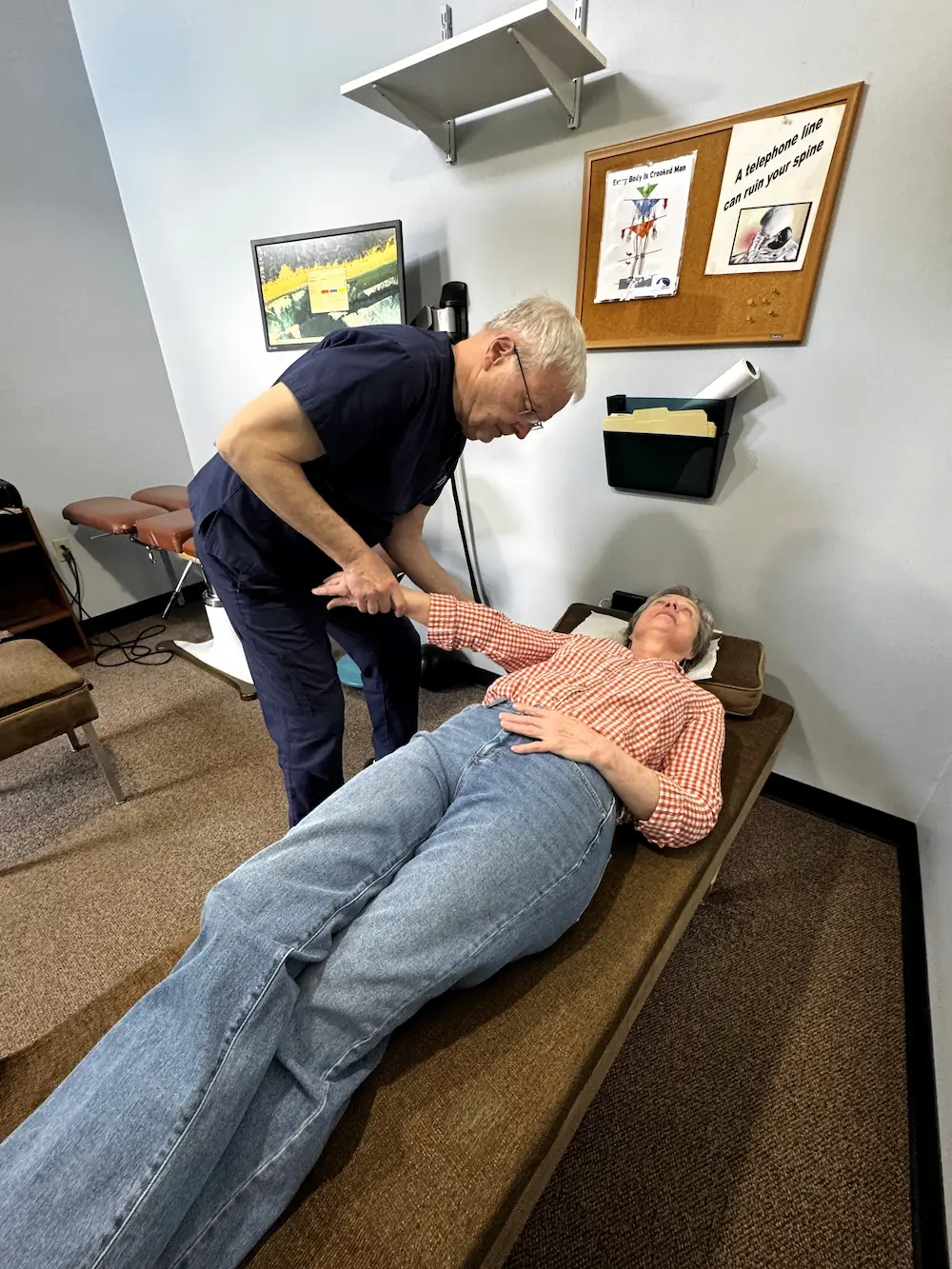
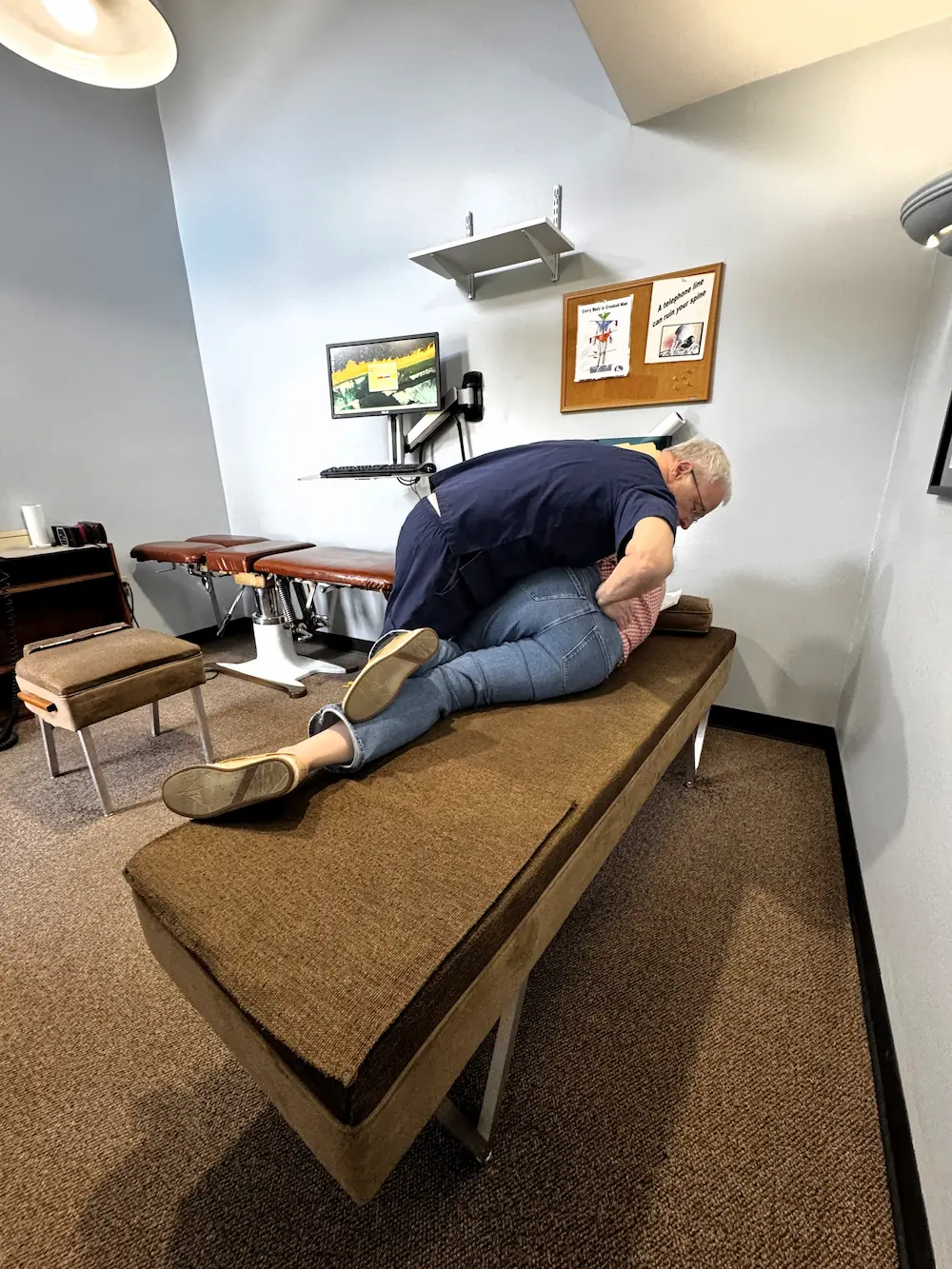
When the joint mechanics are off, restoring proper motion can take the strain off everything around it. Extremity adjusting applies the same precision used on the spine to the joints of the body, including the hip.
Getting the joint moving correctly often relieves the overload that was causing pain. It is the missing piece that stretching and rest alone cannot provide.
How SoftWave Therapy Helps the Tissue
When inflamed or damaged tissue is part of the problem, SoftWave therapy works on the cellular side. It uses broadband acoustic waves to improve blood flow and recruit the body’s own stem cells to the area.
That helps tissue that has stalled in healing get moving again. Pairing it with joint correction addresses both the mechanical and the cellular drivers at once.
When the Lower Back Is the Real Culprit
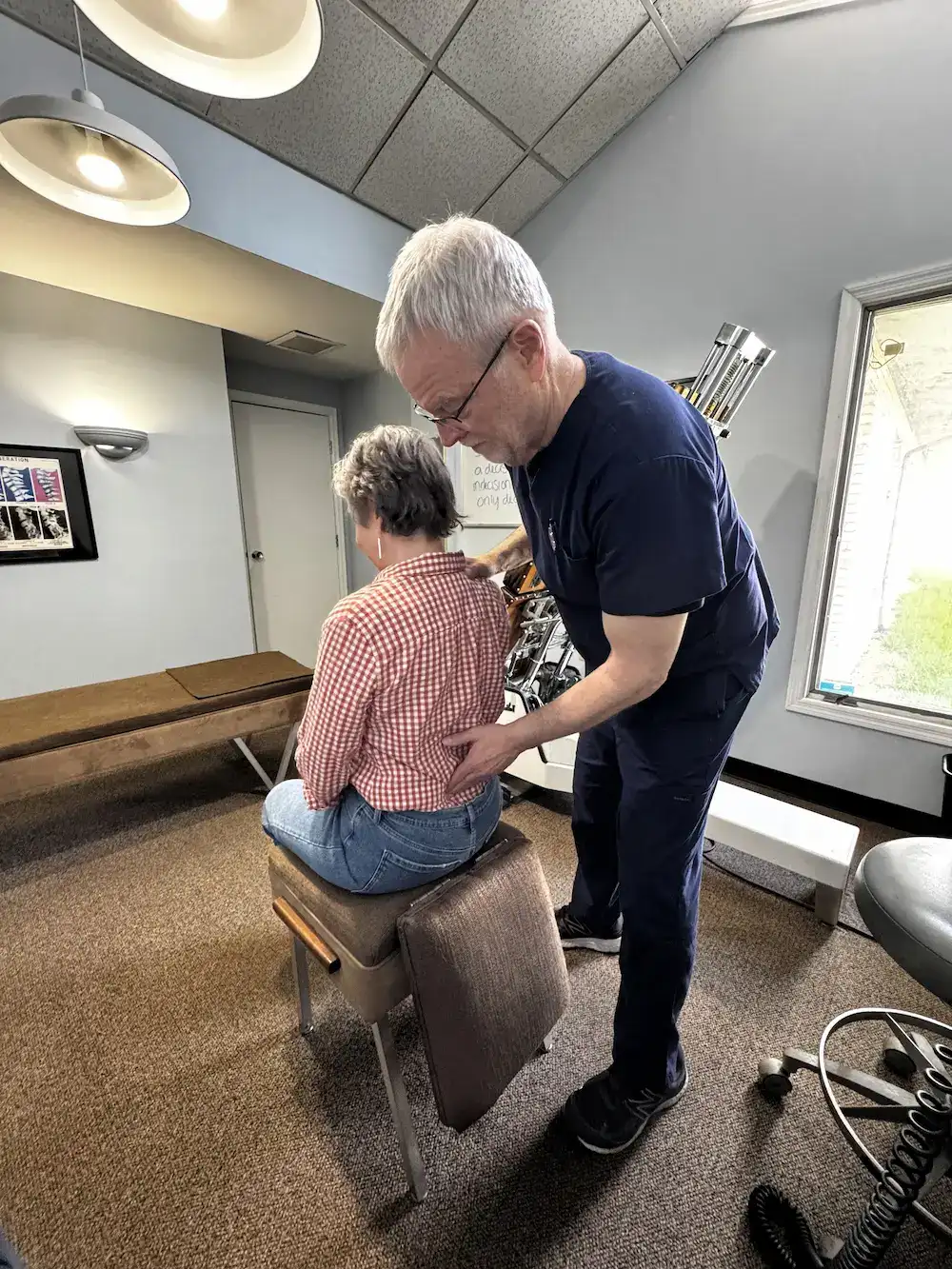
Because the spine can refer pain into the hip, Dr. Oyler checks the lower back as part of a hip evaluation. Using the Gonstead adjusting technique, he can tell whether a spinal issue is contributing.
If it is, treating the actual source in the back is what finally settles the hip. Chasing the hip alone would leave the real problem in place.
Everyday Habits That Aggravate the Hip
Daily routines can keep a hip irritated without you noticing. A few common ones are easy to adjust.
- Sitting for long stretches without getting up to move
- Sleeping on the same painful side night after night
- Sitting with your legs crossed for hours at a time
- Carrying a child or a heavy bag on one hip
- Pushing through sharp pain during workouts
Easing up on these gives the hip a chance to settle while treatment does its work.
Can You Keep Hip Pain From Coming Back?
Once the pain settles, the natural question is how to keep it from returning. A lot comes down to keeping the joint moving well and not letting old habits creep back in.
Staying active within comfortable limits, keeping reasonable posture, and addressing flare-ups early all help. Dr. Oyler can suggest what makes sense for your situation so a solved problem stays solved.
What to Expect
The process starts with a real evaluation of how your hip, spine, and surrounding tissue work together. From there, Dr. Oyler builds a plan around what he finds instead of a standard routine.
How long it takes depends on the cause and how long the pain has been there. He will be straight with you about what to expect rather than making promises before he understands your case.
If hip pain keeps slowing you down in Reynoldsburg or a nearby community, we would be glad to help you find the cause. Call Oyler Chiropractic at (614) 863-0111 or reach out here to schedule a visit.