Table of Contents
Yes, your feet can absolutely contribute to lower back pain. When your arches collapse, your feet roll inward, or your gait is off, that imbalance travels up through your knees and hips and changes how your spine carries load. At Oyler Chiropractic in Reynoldsburg, OH, Dr. Oyler looks at the whole chain, feet included, and uses custom orthotics along with chiropractic care to address back pain that starts from the ground up.
The Body Works as a Chain
Your feet are the foundation for everything above them. Every step sends force up through your ankles, knees, hips, and spine, so a problem at the bottom rarely stays at the bottom.
When that foundation is off balance, the rest of the body adjusts to keep you upright and moving. Those small compensations add up, and the lower back often ends up absorbing the strain.
How Foot Problems Travel Up to Your Back
It can be hard to believe that an ache in your back could start several feet away. The connection makes more sense once you see how the chain reacts to common foot issues.
Flat Feet and Fallen Arches
Your arches are designed to absorb shock and spread out the load of each step. When they collapse, that shock absorption is lost and the impact passes farther up the chain toward your hips and spine.
Overpronation
Overpronation is when the foot rolls inward too much as you walk. That inward roll rotates the lower leg, which tilts the pelvis and pulls the lower back out of its natural alignment over time.
Leg Length and Gait Differences
A difference in leg length or an uneven walking pattern makes one side of your body work harder than the other. That constant imbalance can leave the muscles and joints of the lower back irritated on one side.
Signs Your Back Pain Might Start at Your Feet
A few clues point toward your feet as part of the problem. None of them confirm it on their own, but together they are worth paying attention to.
- Back pain that gets worse after long periods of standing or walking
- Foot pain, heel pain, or tired aching feet alongside the back pain
- Shoes that wear down unevenly on one side
- Flat feet or arches that look like they collapse when you stand
- Pain that is worse on one side of the lower back
Why Treating Only the Back Falls Short
If your feet are feeding the problem, treating the back by itself can feel like bailing out a boat without patching the leak. You may get relief for a while, then the same strain builds right back up.
This is one reason some people in Reynoldsburg cycle through stretches, rest, and medication without lasting results. The back was never the whole story.
Why This Connection Often Gets Missed
Most people, and even some providers, focus on the spot that hurts. When your back is the complaint, the feet rarely get a second look.
That is understandable, but it is also how the real cause slips through. If no one checks the foundation, an imbalance down low can keep feeding back pain for years without anyone connecting the two.
Standing and Walking All Day Makes It Worse
If your job keeps you on your feet, the chain gets tested with every hour. Nurses, teachers, retail workers, and anyone on concrete all day put repeated load on feet that may not be supporting them well.
The more steps you take on a faulty foundation, the more strain reaches the lower back. For these patients, fixing the feet often matters even more than it would for someone who sits most of the day.
How Custom Orthotics Help
Custom orthotics are made to support your specific foot structure rather than a generic shape. By restoring proper arch support and correcting how your foot strikes the ground, they take the imbalance out of the chain.
When the foundation is steadier, the knees, hips, and spine are not forced to compensate with every step. You can learn more on our custom orthotics page.
Why Dr. Oyler Looks at the Whole Picture
Plenty of providers will treat the spot that hurts and stop there. In more than 43 years of practice, Dr. Oyler has learned that the source of pain is often somewhere else entirely.
He evaluates how you stand and move, then traces the problem back to its origin instead of chasing the symptom. For back pain, that means checking the feet and gait, not just the spine.
How We Check Your Feet and Gait
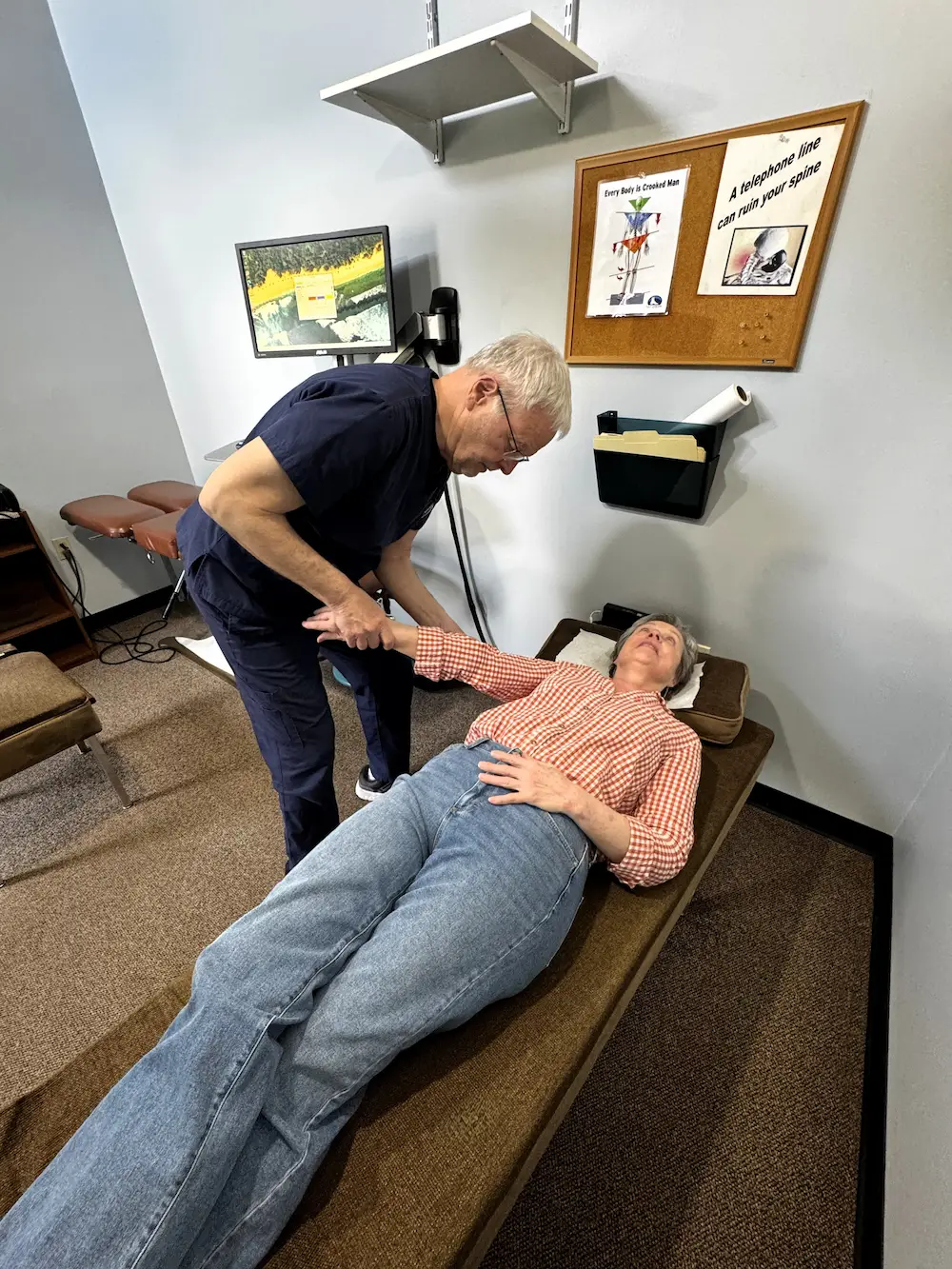
A proper evaluation looks at how you actually move, not just where it hurts. Dr. Oyler watches your posture and your gait, checks your arches, and looks for the uneven patterns that point to a foundation problem.
He then connects what he sees at the feet to what he finds in the spine. That full-picture look is how the plan ends up addressing the cause rather than the symptom.
Custom Orthotics vs. Store-Bought Inserts
It is fair to wonder why custom orthotics matter when inserts are available at any pharmacy. The difference comes down to fit.
Over-the-counter inserts are built for an average foot, so they offer cushioning but not correction. Custom orthotics are made for your specific structure, which is what allows them to actually change how force moves up the chain.
Pairing Orthotics With Chiropractic Care
Orthotics address the foundation, while chiropractic care addresses the spine itself. The two work well together because they cover different parts of the same chain.
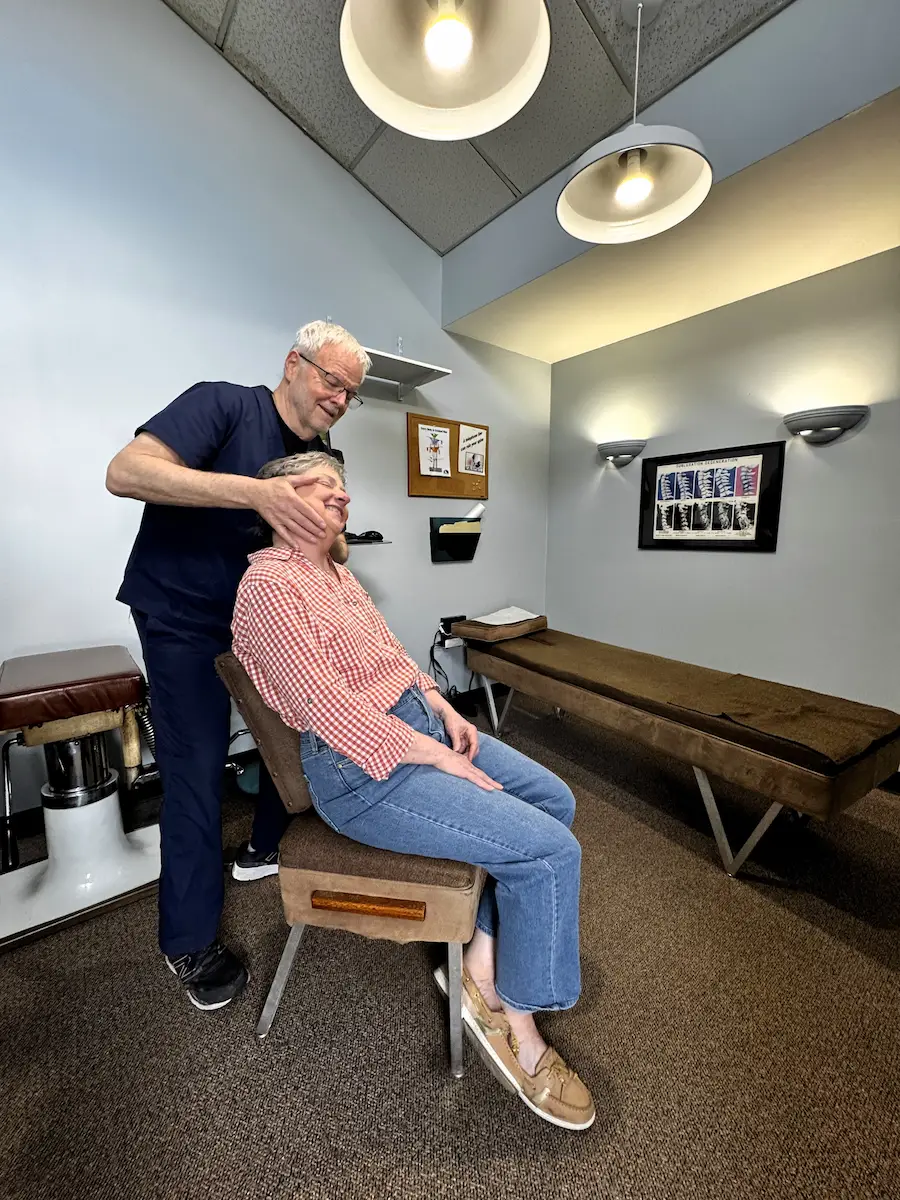
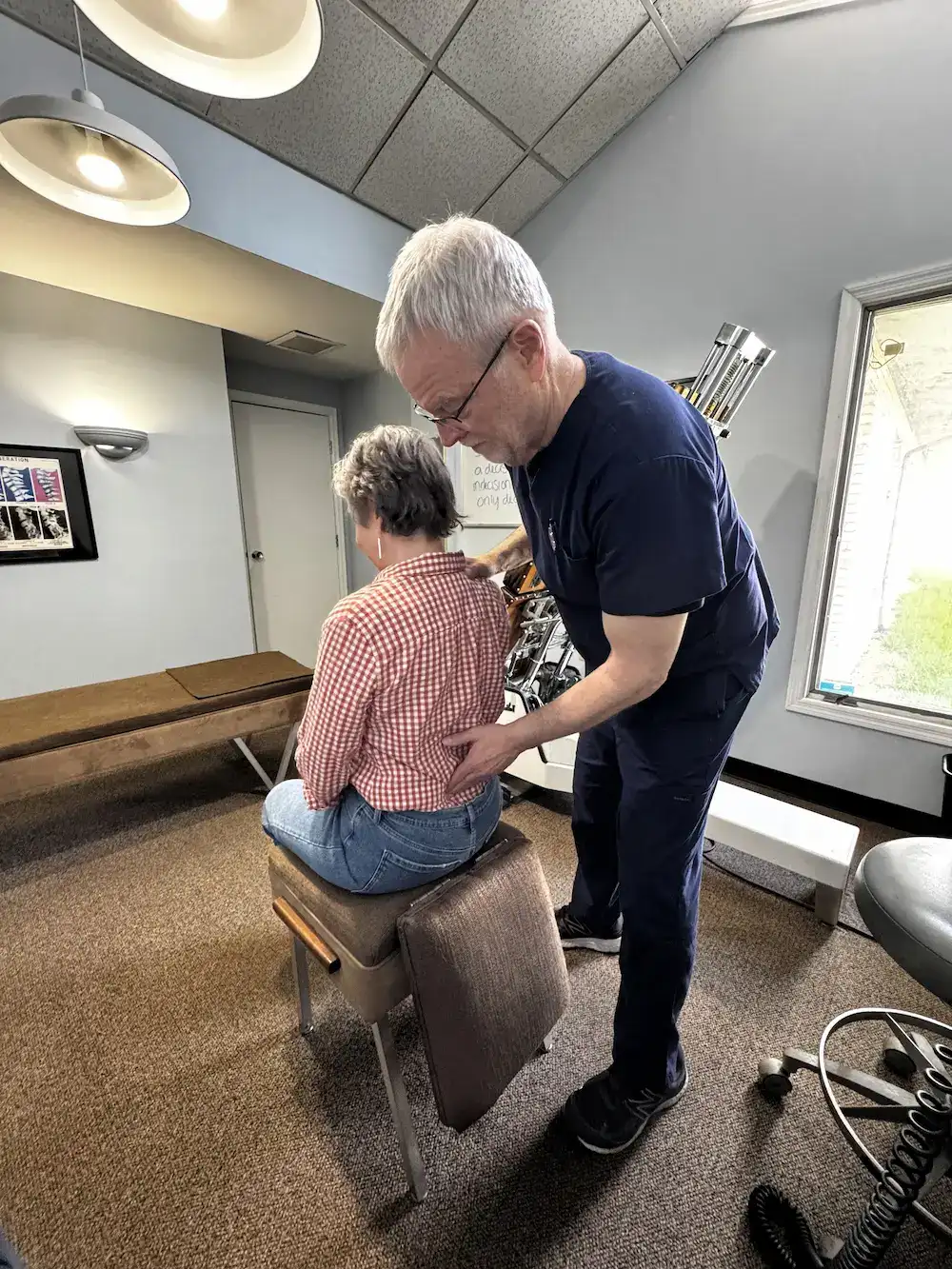
Dr. Oyler uses the Gonstead adjusting technique to correct the specific spinal levels affected by the imbalance, then orthotics help keep that correction from being undone with every step. Treating both gives lower back pain a better chance to settle for good.
Simple Things That Help Your Feet and Back
A few everyday habits can take pressure off the chain while you address the root cause. None of them replace proper care, but they help.
- Wear supportive shoes instead of going barefoot on hard floors all day
- Replace worn-out shoes before the support is completely gone
- Avoid standing in one position for long stretches without a break
- Ease into new activity rather than ramping up suddenly
What to Expect
The first step is a real evaluation of how your feet, posture, and spine work together. From there, Dr. Oyler builds a plan around what he finds rather than a standard routine.
How long relief takes depends on how long the imbalance has been at work. He will give you an honest timeline once he understands your situation instead of promising a quick fix.
If lower back pain keeps returning in Reynoldsburg or a nearby community, it may be worth looking lower than your back. Call Oyler Chiropractic at (614) 863-0111 or reach out here to schedule a visit.