
Sciatica Relief in Reynoldsburg OH
Sciatica is a symptom, not a diagnosis – and identifying what’s actually compressing the nerve is the first step Dr. Oyler takes with every sciatica patient at Oyler Chiropractic in Reynoldsburg, OH.
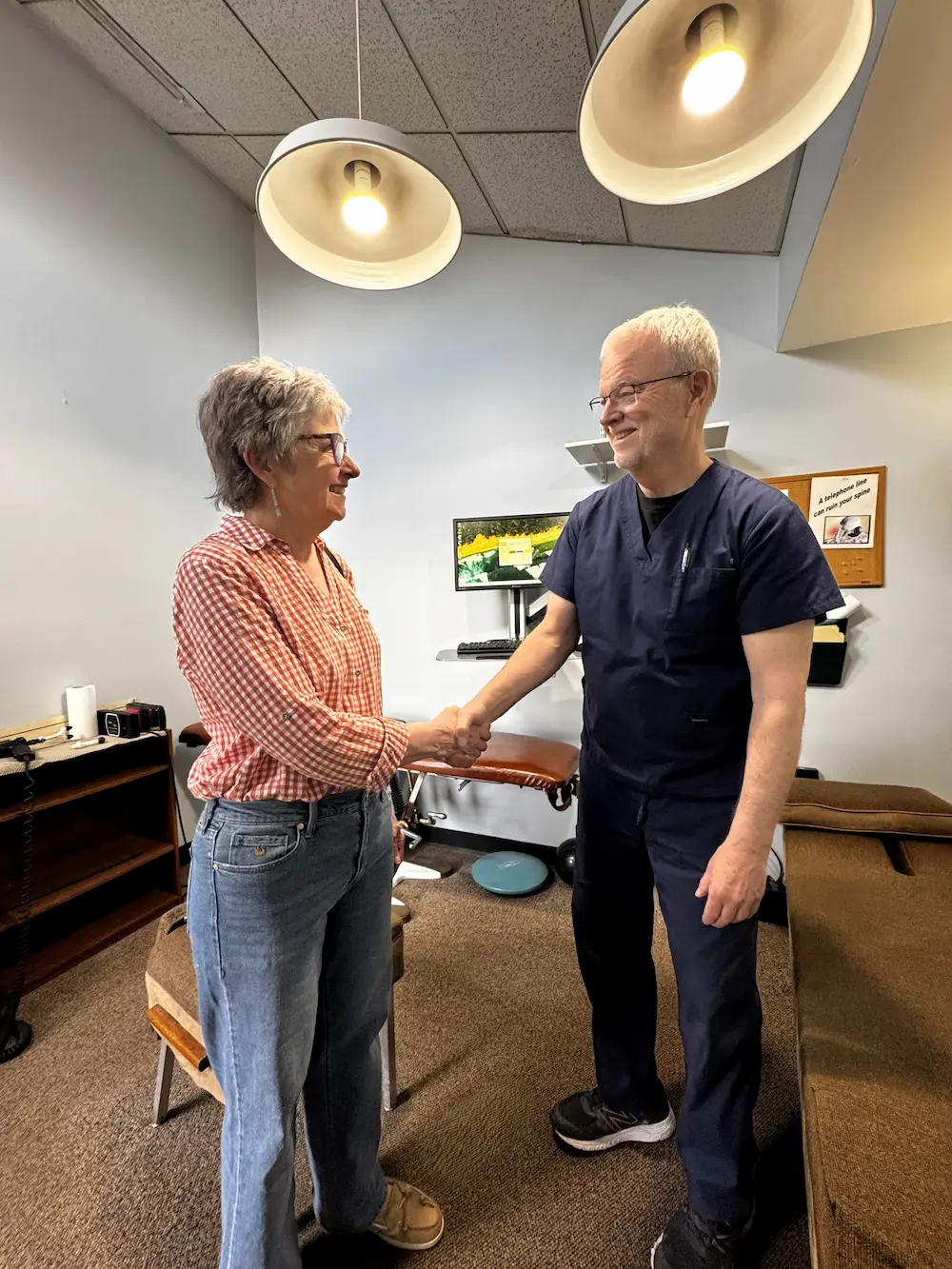
What Sciatica Actually Feels Like
Burning, shooting pain from the lower back or glute down the leg sometimes with numbness or weakness. Sitting often makes it worse. The pain shows up in the leg, but the source is usually higher up.
Common symptoms:
- Sharp or electric pain down one leg
- Numbness or tingling
- Leg weakness
- Worse with sitting or standing
- Pain triggered by movement, coughing, or sneezing
The Real Sources of Sciatic Nerve Compression
Identifying the specific source of sciatic nerve compression is the most important part of effective sciatica care.
1
Lumbar Disc Herniation
The most common structural cause of sciatica. A herniated or bulging disc at L4-L5 or L5-S1 can press directly on the nerve roots that form the sciatic nerve. This type tends to worsen with forward bending and prolonged sitting and often comes with lower back pain alongside the leg symptoms. Underline Herniated Disc as an internal link.
2
Lumbar Joint Restriction
When the lumbar vertebrae lose normal motion or position, they can narrow the space where nerve roots exit the spine. This creates the same irritation and leg pain pattern as a disc herniation but responds differently to treatment. Often resolves more quickly with targeted Gonstead adjustments once the specific levels are identified.
3
Sacroiliac Joint Dysfunction
The SI joint is a frequently overlooked source of sciatica-type symptoms. When it’s restricted or inflamed, it refers pain into the buttock and down the leg in a pattern that closely mimics disc-related sciatica. Treatment for SI joint sciatica involves pelvic correction rather than lumbar disc care, which is why getting the source right at the start matters.
4
Piriformis Syndrome
The sciatic nerve runs through or near the piriformis muscle deep in the glute. When that muscle is chronically tight from prolonged sitting, hip imbalances, or overuse, it can compress the nerve in the pelvis rather than at the spine. This type is often missed when only the lumbar spine is evaluated and treated.
How Oyler Chiropractic Addresses Sciatica in Reynoldsburg
Dr. Oyler’s approach starts with identifying the correct source through a thorough orthopedic and neurological evaluation before any treatment begins. The care plan then addresses what’s actually driving the nerve compression.
1
Gonstead Chiropractic
Lumbar and pelvic adjustments address the joint restriction and misalignment contributing to nerve compression at the source. For disc-related sciatica, adjustments restore proper mechanics and spacing at the affected lumbar levels. For sacroiliac involvement, pelvic corrections restore normal SI joint motion. Gonstead analysis identifies which levels are specifically involved so adjustments are targeted rather than generalized. Underline Chiropractic Care as an internal link.
2
Spinal Decompression
For sciatica driven by disc herniation at L4-L5 or L5-S1, spinal decompression creates a negative pressure environment that reduces the force on the compressed nerve root and encourages the bulging disc material to retract. It’s most appropriate for disc-related sciatica and is incorporated into the care plan when disc involvement is confirmed through the evaluation. Underline Spinal Decompression as an internal link.
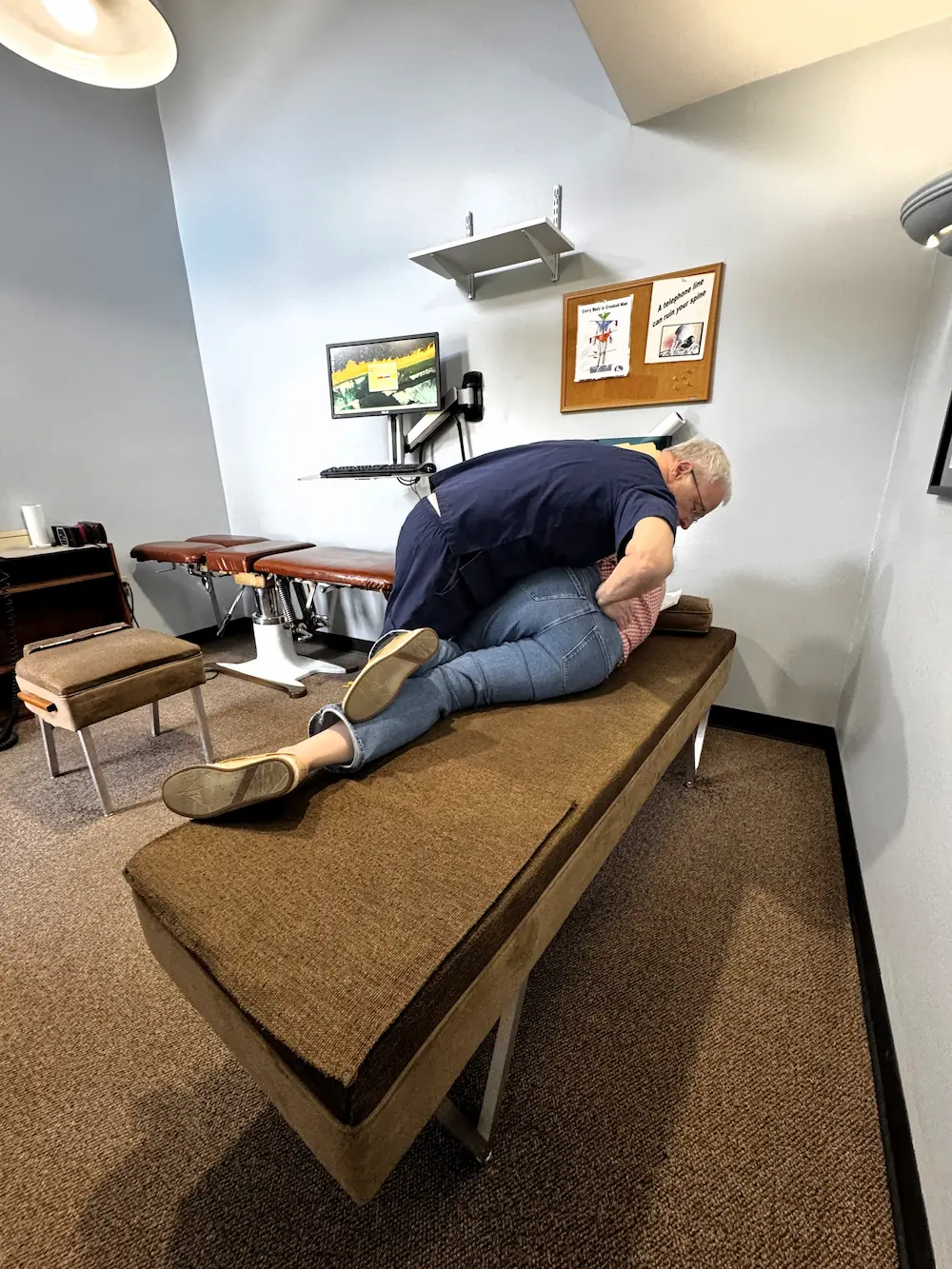
Your First Sciatica Visit at Oyler Chiropractic
The evaluation for sciatica at Oyler Chiropractic is thorough by design. Dr. Oyler takes a detailed history of the leg symptoms including onset, pattern, and what makes them better or worse. The examination includes orthopedic testing specific to sciatica such as the straight leg raise, piriformis assessment, FABER test, and sacroiliac provocation testing, along with dermatome and reflex testing to assess which nerve roots are involved and how significantly.
If you have prior lumbar imaging, bring it. X-rays and MRI reports add useful context to the examination findings.
One important note on red flags: severe weakness, loss of bladder/bowel control → seek urgent care.
When Sciatica Is Coming from a Disc Problem
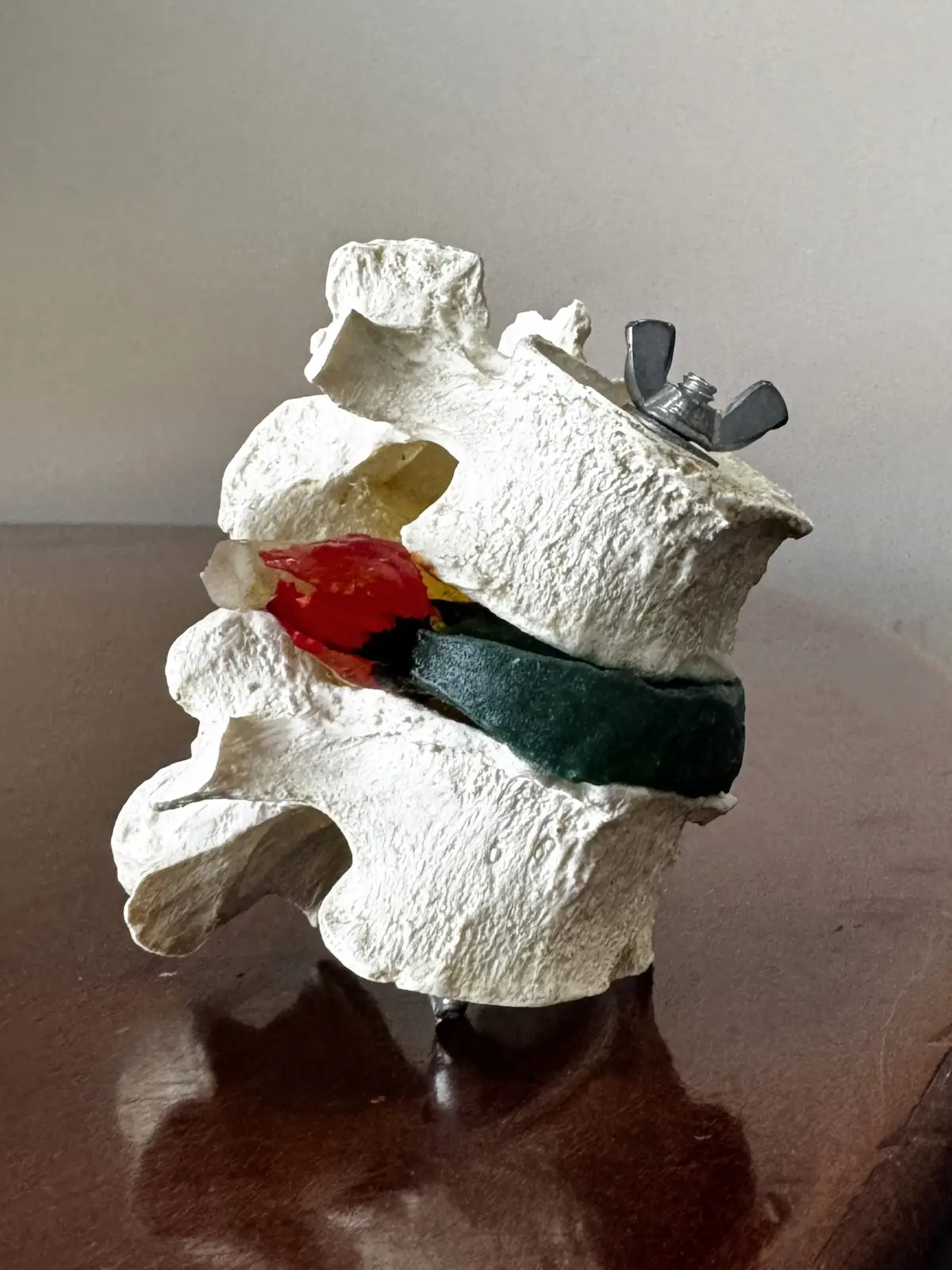
The most common structural cause of sciatica is a herniated or bulging disc at L4-L5 or L5-S1. When disc material presses on these nerve roots, the pain travels along the sciatic nerve’s path into the leg. For patients in this category, spinal decompression is often the most important component of the care plan because it directly addresses the disc pressure causing the nerve compression. Underline Spinal Decompression as an internal link and Herniated Disc as an internal link.
Why Sciatica Comes Back and How to Prevent It
Sciatica has a well-known tendency to recur when the underlying mechanical cause wasn’t fully corrected the first time. Several factors also contribute to recurrence in patients who do respond to initial care.
Avoiding prolonged sitting in flexed positions and using lumbar support when seated
Core strengthening to improve spinal stability and reduce disc and joint stress
Hip and piriformis flexibility work to reduce the muscular contribution to nerve compression
Proper lifting mechanics to protect the lumbar discs during load
Periodic maintenance care to identify and correct minor dysfunction before it builds into a full sciatica episode
Side sleeping with a pillow between the knees to keep the pelvis neutral during sleep
Frequently Asked Questions About Sciatica
Will it go away on its own?
Sometimes, but the cause often remains and can return.
Disc vs piriformis?
Disc = spine-related; piriformis = muscle compression in the glute.
Is treatment safe?
Yes, approach is adapted to your condition.
How long does it take?
Joint-related cases improve faster; disc cases take longer.
When is surgery needed?
Only for severe or progressive neurological symptoms.
Ready to Get Lasting Sciatica Relief in Reynoldsburg?
If sciatic pain is affecting your daily life and you want to find out what’s actually causing it, reach out to Oyler Chiropractic and schedule your evaluation with Dr. Oyler.