Table of Contents
Chiropractic care may help with some types of peripheral neuropathy, depending on what is driving the nerve irritation. When the problem involves a compressed spinal nerve or damaged tissue, addressing those mechanical and cellular factors can ease symptoms like numbness, tingling, and burning. At Oyler Chiropractic in Reynoldsburg, OH, Dr. Oyler tailors care to the cause, often combining SoftWave therapy with chiropractic adjustments.
What Peripheral Neuropathy Feels Like
Peripheral neuropathy is nerve damage in the hands, feet, arms, or legs, and it shows up in a handful of familiar ways. People often describe numbness, tingling, burning, or a pins-and-needles feeling.
For some, it is a loss of sensation that makes the feet feel disconnected from the ground. For others, it is a sharp or burning pain that gets worse at night. Either way, it can interfere with sleep, balance, and daily activity.
What Different Symptoms Can Suggest
The way neuropathy shows up can offer clues about what is happening. Numbness and a loss of feeling often point to nerves that are struggling to send signals at all.
Tingling or a pins-and-needles sensation can mean a nerve is irritated rather than fully impaired, while burning pain often reflects nerves firing abnormally. None of this replaces a proper evaluation, but it helps explain why two people with neuropathy can feel such different things.
Why Neuropathy Is So Hard to Treat
Neuropathy frustrates a lot of people because the usual approach often focuses on covering the symptoms. Medication can dull the sensations, but it does not address why the nerves are irritated in the first place.
When the underlying driver is left alone, the symptoms tend to persist or slowly worsen. That is why so many patients arrive at our Reynoldsburg office having tried several things without much change.
Where the Nerve Trouble Comes From
Peripheral neuropathy does not have a single cause, and the right treatment depends on the source. Broadly, the trouble tends to fall into a few categories.
Sometimes a nerve is being compressed where it exits the spine, which sends symptoms down into the limb. Sometimes the surrounding tissue is damaged and is not healing well. And sometimes the cause is systemic, such as the nerve damage that can come with diabetes, which calls for medical management alongside any other care.
How Chiropractic Care May Help
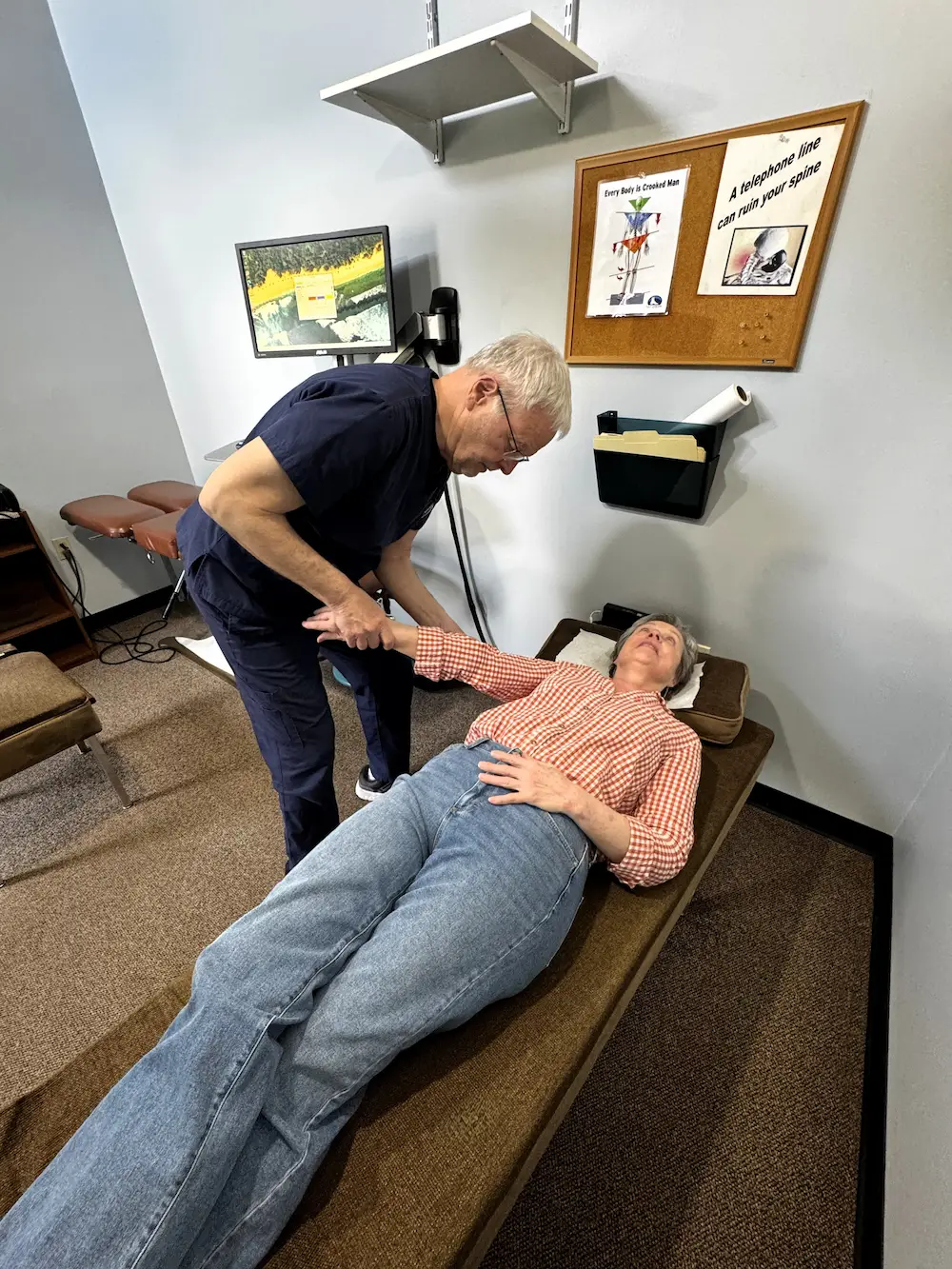
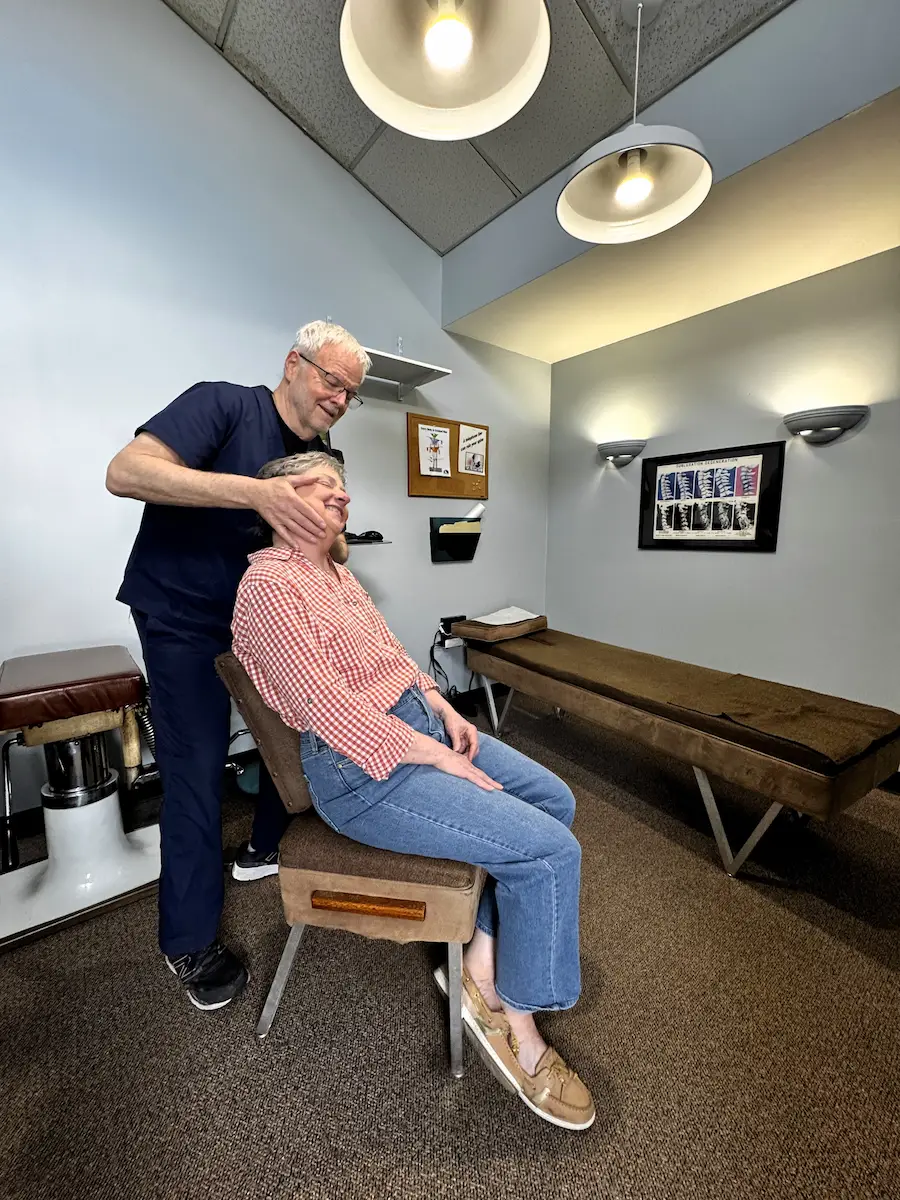
When a spinal nerve is being compressed or irritated, restoring proper motion to that area can take pressure off the nerve. That is where the Gonstead adjusting technique comes in.
Dr. Oyler uses his analysis to find the exact level involved, then adjusts that specific joint rather than the whole region. If a compressed nerve is part of your neuropathy, easing that compression may reduce the signals causing your symptoms.
How SoftWave Therapy Fits In
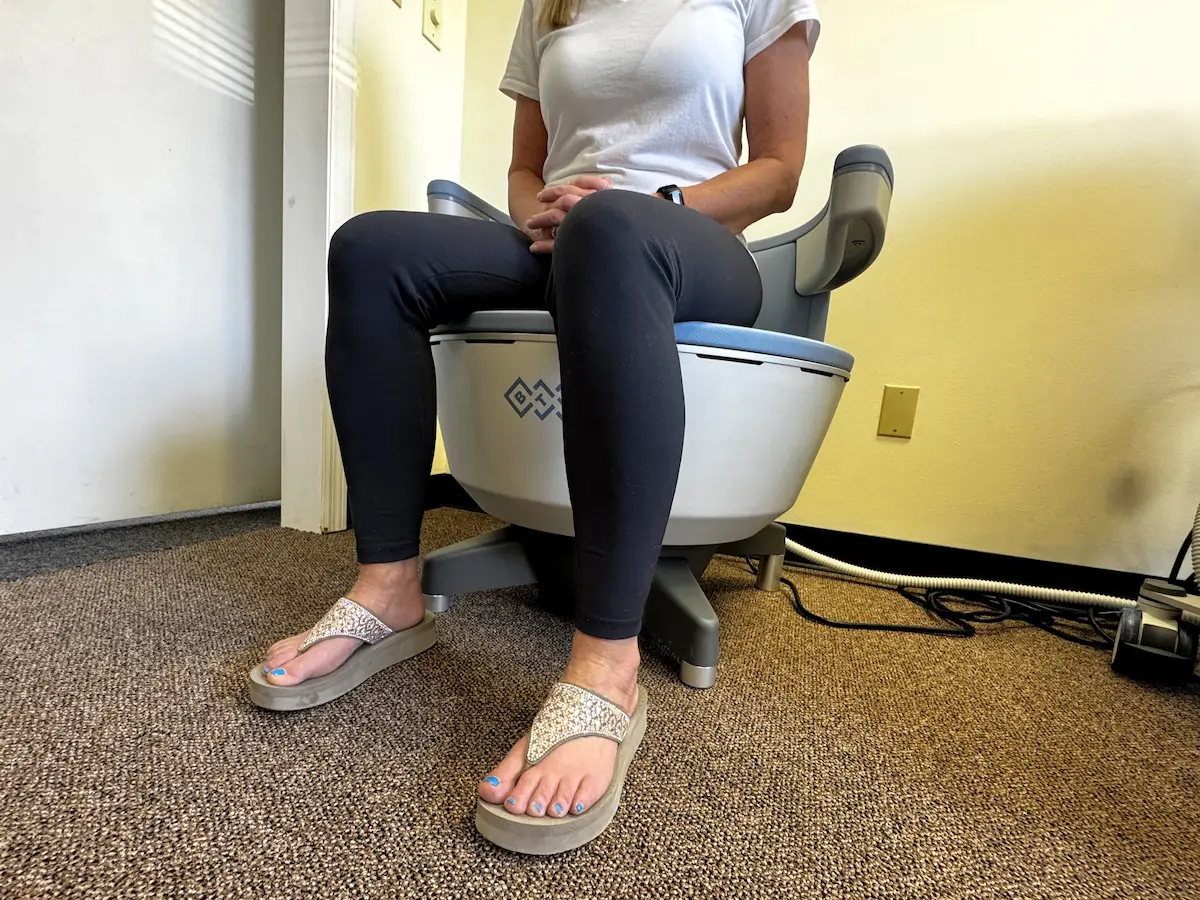
When damaged tissue is part of the picture, SoftWave therapy addresses the cellular side of the problem. It uses broadband acoustic waves to improve blood flow and recruit the body’s own stem cells to the area.
Better circulation and an active repair process can support nerves and tissue that have stalled. Used together, chiropractic care and SoftWave cover both the mechanical and the cellular drivers, which is more complete than treating either one alone.
Why a Combined Approach Often Works Best
Neuropathy rarely has just one moving part, so treating a single piece often falls short. A compressed nerve and damaged tissue can both be present at the same time.
That is why Dr. Oyler often combines chiropractic care and SoftWave rather than relying on one tool. Addressing the mechanical and the cellular sides together gives the nerves more support than either approach would alone.
Why the Cause Determines the Plan
There is no single neuropathy protocol that fits everyone, and being honest about that matters. In more than 43 years of practice, Dr. Oyler has learned to build the plan around the specific cause and the degree of nerve involvement.
He starts with a thorough evaluation to understand what is actually driving your symptoms. From there, he can tell you whether his approach is likely to help and what a reasonable plan looks like. You can read more on our neuropathy page.
What Chiropractic Care Will Not Do
Setting honest expectations is part of good care. Chiropractic and SoftWave are not a replacement for managing a systemic condition like diabetes, and Dr. Oyler will never suggest you stop care your physician has prescribed.
The goal is to address the mechanical and tissue factors that are within reach, while you keep up with the rest of your medical care. For many people, that combined approach is what finally moves the needle.
What to Expect
How much improvement is realistic depends on the cause, how long the neuropathy has been present, and how much nerve damage has occurred. Some people notice meaningful changes, while long-standing or advanced cases may see more modest gains.
Dr. Oyler will give you a straight answer after his exam rather than a promise. The aim is to do what can be done and to be clear about it from the start.
Supporting Your Nerves Day to Day
A few habits can support nerve health while you work on the underlying problem. Gentle, regular movement helps circulation, which the nerves depend on.
If your feet are affected, protecting them with supportive footwear and checking them for unnoticed injuries matters too. None of this replaces your medical care, but it gives your body a better foundation to work from.
Why Catching It Early Helps
Nerves respond better when a problem is addressed sooner rather than later. Early on, there is often more function to protect and more room to influence the symptoms.
When neuropathy is left alone for a long time, the changes can become harder to budge. That is one reason it is worth getting nerve symptoms looked at instead of waiting to see if they pass.
When to Get Your Symptoms Checked
Nerve symptoms are worth taking seriously, especially if they are spreading, worsening, or affecting your balance and safety. New or rapidly changing numbness and weakness should be evaluated promptly.
A careful look can sort out what is driving your symptoms and whether this kind of care fits your situation. If something falls outside his scope, Dr. Oyler will point you in the right direction.
If numbness, tingling, or nerve pain is wearing on you in Reynoldsburg or a nearby community, we would be glad to take a look. Call Oyler Chiropractic at (614) 863-0111 or reach out here to schedule a visit.