Table of Contents
Your first Gonstead exam is a thorough, hands-on evaluation designed to find the exact source of your problem before any adjustment is made. It combines a detailed history, a physical assessment of how your spine moves and feels, instrument readings, and X-rays when they are needed. At Oyler Chiropractic in Reynoldsburg, the goal of that first visit is simple: understand what is actually wrong so the treatment can be specific rather than general.
Why the Exam Comes First
Plenty of people have had the experience of walking into an office, lying down, and getting adjusted within a few minutes. The Gonstead approach is different on purpose. The adjustment is only as good as the analysis behind it, so the exam always comes first.
The idea is to find the specific level of the spine that is causing the problem, rather than adjusting several areas and hoping one of them was the right one. That precision is what sets the method apart.
The History and Consultation
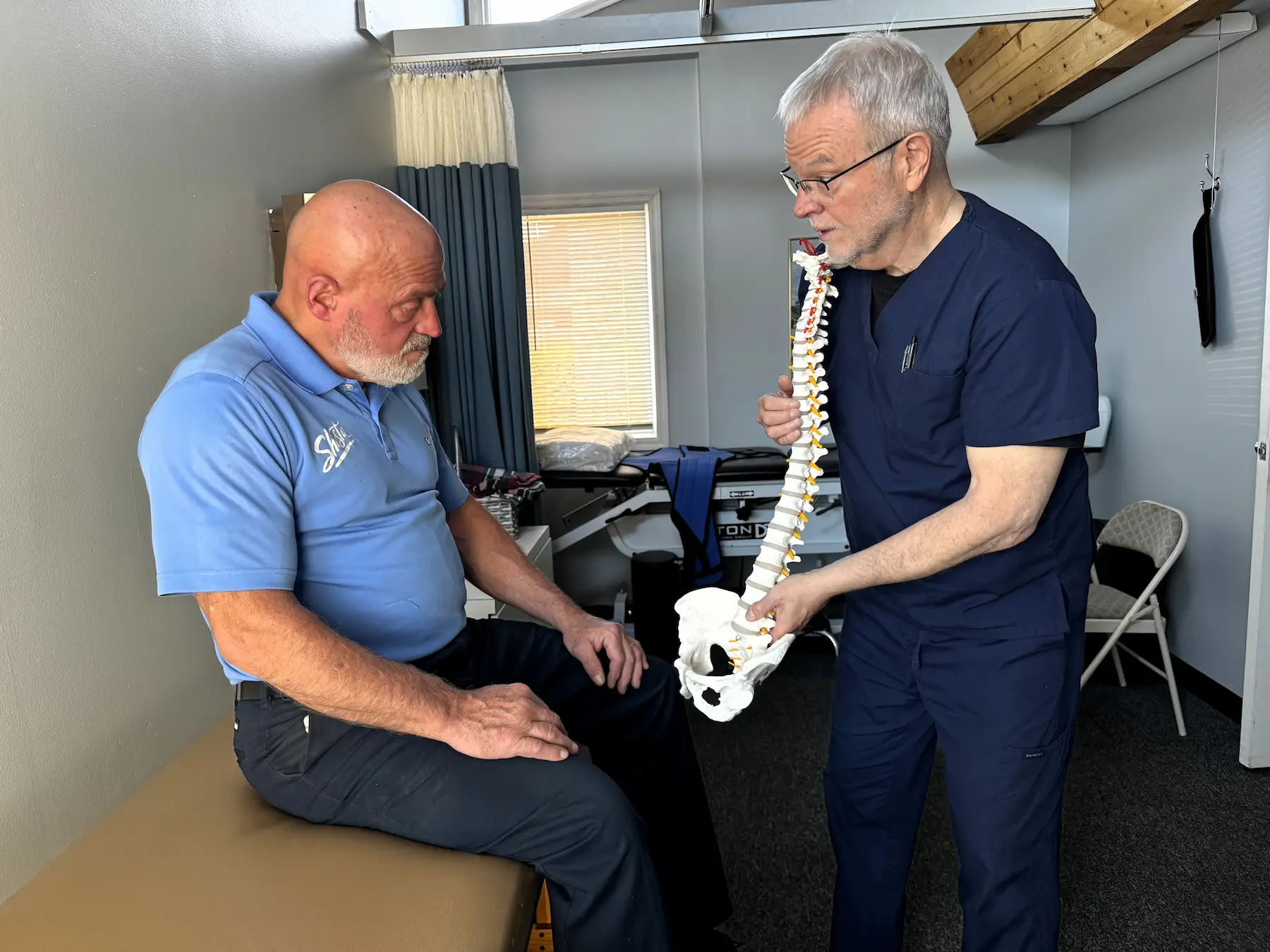
The visit starts with a conversation. Dr. Oyler wants to hear the full story: where it hurts, when it started, what makes it better or worse, what you have already tried, and how it is affecting your daily life.
This part matters more than people expect. Patients often say he is the first provider who actually took the time to listen, and that is the intent. The history frequently points toward the source before a single test is done.
The Parts of a Gonstead Analysis
Once the history is clear, the physical analysis begins. The Gonstead technique uses several methods together, and each one adds a piece of the picture.
Visualization
This is a close look at posture, balance, and how you move. Subtle shifts in how you hold yourself or how you walk can point toward where the trouble is coming from.
Instrumentation
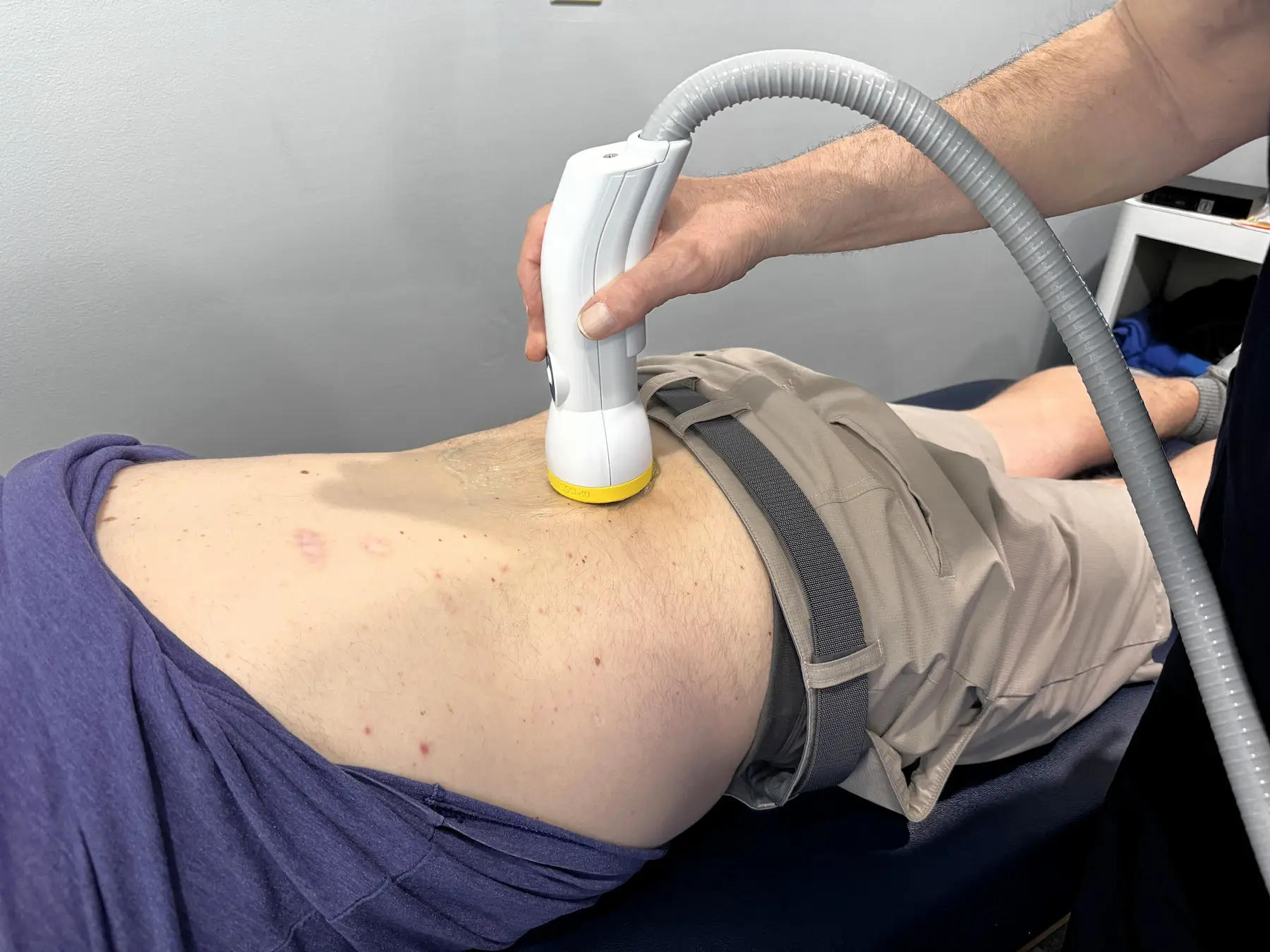
A small handheld instrument is glided along the spine to detect differences in temperature from one side to the other. Uneven readings can signal irritation and inflammation around a specific nerve level, which helps narrow the search.
Static Palpation
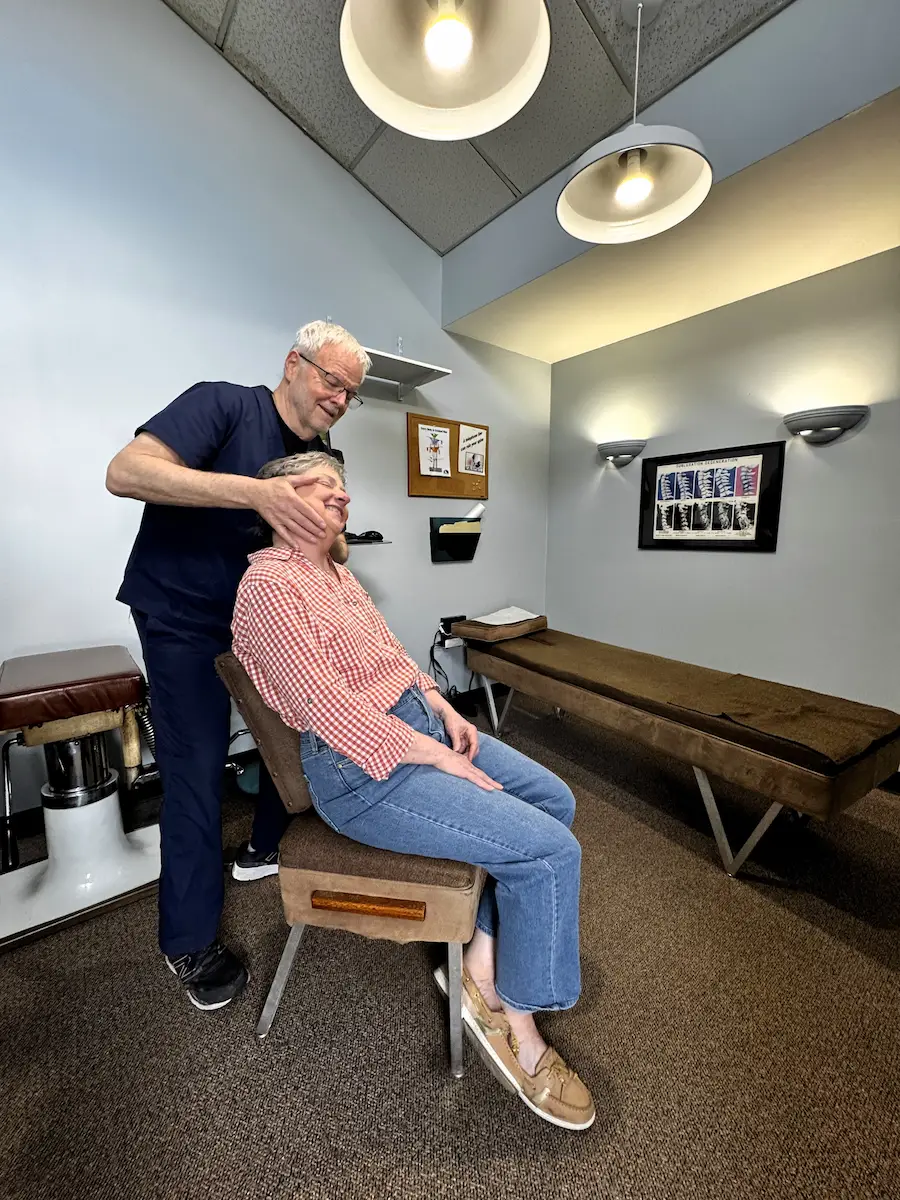
Static palpation means feeling along the spine while you are still. Dr. Oyler checks for swelling, tenderness, muscle tension, and changes in the texture of the tissue. These findings are cross-checked against the instrument readings.
Motion Palpation
Here each segment of the spine is assessed as you move, to see how well it bends and rotates compared to the vertebrae above and below it. This helps separate the levels that are truly restricted from the ones that are only compensating.
X-Ray Analysis
When it is clinically appropriate, X-rays give a clear view of alignment, disc spacing, and joint condition. They are not always necessary, but they can confirm findings and rule out anything that would change the plan.
Putting It Together
All of these findings are compared against one another. When the visualization, instrument readings, palpation, and imaging point to the same level, Dr. Oyler can adjust that exact spot with the right angle and the right amount of force, and leave everything else alone.
You can read more about the method itself on our Gonstead adjusting technique page.
The Lineage Behind the Method
The Gonstead technique was developed by Dr. Clarence Gonstead. Dr. Oyler completed an internship under Dr. Larry Troxell, who studied directly under Dr. Gonstead himself. That is a rare direct connection to the origin of the method, and it is not something most chiropractors can claim.
Combined with training at Palmer College of Chiropractic and more than four decades of practice in Reynoldsburg, it shapes how every exam in the office is done. You can read more on the Meet Dr. Oyler page.
Will I Need X-Rays?
Not always. X-rays are used when there is a clear reason, such as persistent pain, recent trauma, pain that radiates into an arm or leg, or an unclear origin. If they are not needed, they are not taken.
What Happens After the Exam
Once the analysis is done, Dr. Oyler explains what he found in plain language, so you understand what is happening and why. In most cases, your first treatment happens during the same visit, so you are not sent home to wait for care to begin.
You will also get home instructions and a sense of what a reasonable plan looks like for your situation. You can find more detail about the process on our new patients page.
How Long Does the First Visit Take?
Plan for roughly 45 to 60 minutes for a first visit. It helps to bring your insurance card, a photo ID, a list of any medications, and any existing imaging such as X-rays or MRI reports.
There is no pressure to make a decision on the spot. The purpose is to give you a clear picture of what is going on and what your options are, so you can move forward feeling informed.
Does the Adjustment Hurt?
For most people, a Gonstead adjustment is quick and not painful. Because the analysis pinpoints a specific level, the adjustment is targeted rather than forceful across a wide area. Many patients describe a sense of relief or looser movement right afterward.
It is also normal to feel a little sore in the hours after your first visit, similar to how you might feel after starting a new form of exercise. That usually settles within a day, and Dr. Oyler will let you know what to expect for your situation.
What Makes This Different From a Quick Adjustment
The contrast with a high-volume, in-and-out adjustment is the whole point. In many offices, the same general areas get adjusted on every visit regardless of what is actually happening that day. The Gonstead method reassesses and adjusts only what the analysis shows needs attention.
That specificity means less is done to areas that are moving fine, and more attention goes to the level that is truly involved. Over time, that tends to be easier on the body and more effective at addressing the real problem.
Feeling Nervous About Your First Visit
Plenty of people feel a little apprehensive before a first chiropractic visit, especially if they have never been adjusted or have had a rushed experience elsewhere. That is completely normal, and there is no pressure to do anything you are not comfortable with.
Dr. Oyler explains each step as he goes, answers questions along the way, and moves at a pace that works for you. You are welcome to bring a family member or friend along if that helps you feel more at ease.
What You Walk Away With
By the end of the visit, you should have a clear answer to three questions: what is causing the problem, what the treatment involves, and what a reasonable plan looks like going forward. That clarity is often the part patients appreciate most, because it replaces guesswork with a real understanding of their own body.
If you are ready to find out what is actually causing your problem, we would be glad to see you. Contact Oyler Chiropractic in Reynoldsburg or call (614) 863-0111 to book your first visit.