Table of Contents
SoftWave therapy and cortisone injections take opposite approaches to joint pain. A cortisone injection calms inflammation quickly but does not repair the underlying tissue, so relief is often temporary. SoftWave therapy uses broadband unfocused acoustic waves to stimulate the body’s own healing response, recruiting stem cells and improving blood flow so the tissue itself has a chance to recover. At Oyler Chiropractic in Reynoldsburg, SoftWave is used as a way to support real tissue repair rather than mask the pain.
Two Different Goals
The simplest way to understand the difference is to look at what each one is trying to do. A cortisone injection is designed to reduce inflammation and quiet pain in a specific area. SoftWave therapy is designed to stimulate the body to repair the tissue that is causing the pain in the first place.
One manages the symptom. The other works on the underlying tissue. That difference shapes everything else, including how long the results tend to last.
How Cortisone Injections Work
Cortisone is a corticosteroid, a powerful anti-inflammatory. When it is injected into a joint or around a tendon, it lowers inflammation in that area, which can bring meaningful pain relief fairly quickly.
For certain situations, that fast relief is genuinely useful. It can calm a badly inflamed joint enough to let someone move, sleep, or get through a course of physical therapy. Cortisone has a real place in care, and this is not about dismissing it.
The limitation is that cortisone does not rebuild anything. It reduces inflammation, but the worn cartilage, the irritated tendon, or the degenerated tissue is still there once the medication wears off.
How SoftWave Therapy Works
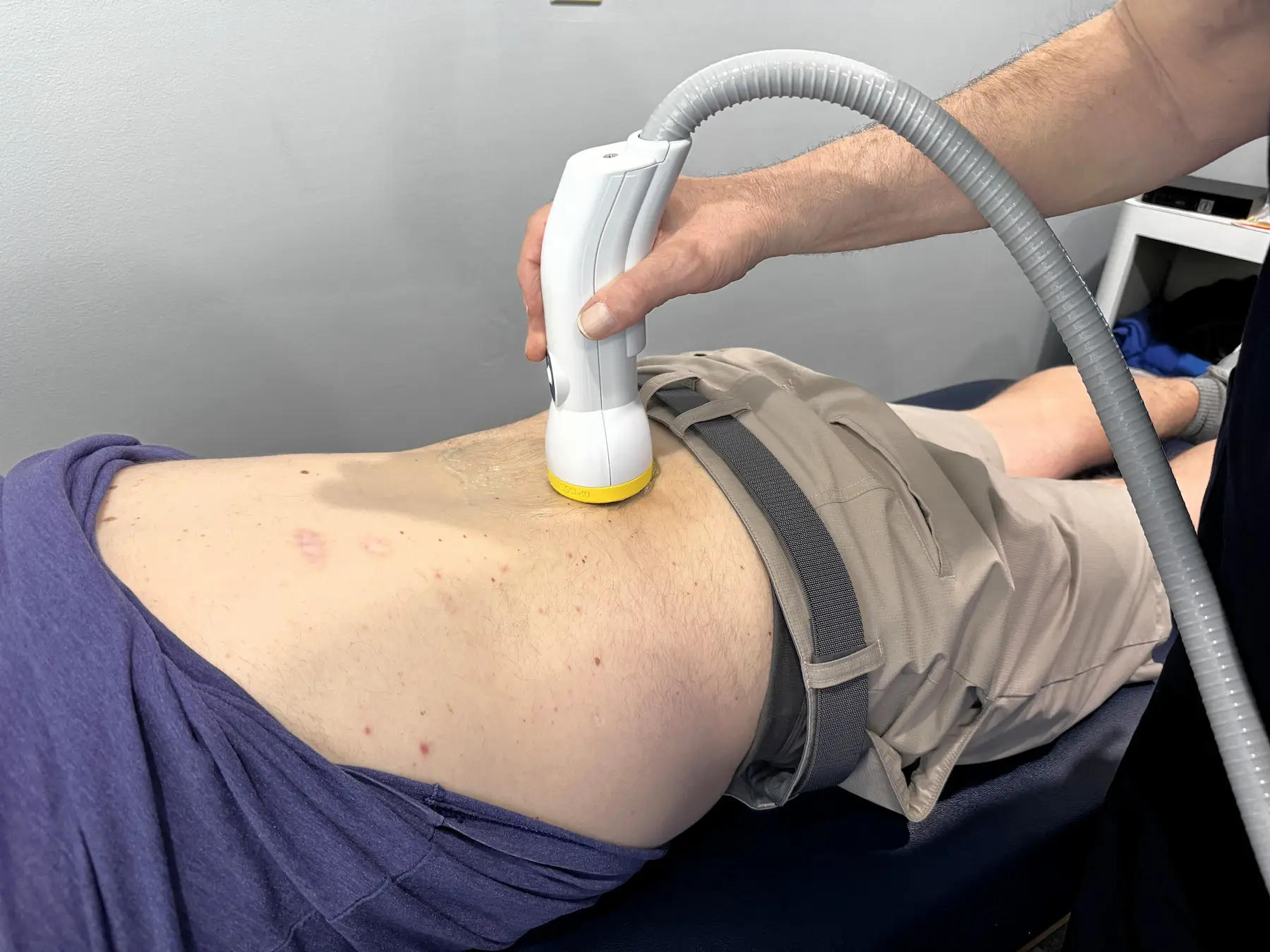
SoftWave therapy takes a different route. It delivers broadband unfocused acoustic waves into the tissue, which triggers the body’s own repair signals. Those waves help recruit stem cells to the area, improve blood flow, and reduce deep inflammation at the same time.
The result is aimed at actual tissue repair rather than a temporary quieting of symptoms. Because the waves are unfocused and cover a broader area, they reach more of the surrounding tissue, and most people tolerate the sessions well.
SoftWave is used for both acute injuries and chronic problems where healing has stalled. There are no needles, no medication, and no downtime, so most patients return to their normal activity the same day.
The Trade-Offs of Cortisone
Fast relief is the main appeal of cortisone, and for a flared-up joint that can matter a great deal. The trade-off is that the relief is often temporary, and the effect tends to shorten with repeated injections.
There are also limits on how often cortisone can be used in the same area. Repeated injections over time have been associated with weakening of nearby tissue, which is why most providers cap how many a person receives in a given joint.
Where SoftWave Fits
SoftWave is often a good fit for people who want to address the tissue itself, who have not gotten lasting relief from injections, or who would rather avoid repeated steroids. Because it works with the body’s healing response, the goal is improvement that builds over a series of sessions rather than a single quick fix.
It is not instant. Tissue repair takes time, and the number of sessions depends on the condition and how long it has been present. Dr. Oyler recommends a specific protocol after evaluating the area rather than applying the same plan to everyone.
Why the Difference Matters for Long-Term Joints
For a younger patient with a fresh injury, either option might get them moving again. The difference becomes more important with joints that are wearing down over time, like an arthritic knee or a chronically irritated shoulder.
Repeatedly quieting inflammation in a joint that keeps degenerating can mask a problem that is quietly getting worse. Working on the tissue instead, when it is a candidate for repair, gives the joint a chance at something more durable. That is the thinking behind why SoftWave is a core part of care at the practice.
Common Conditions Where This Choice Comes Up
The SoftWave versus cortisone question comes up most often with joint and tendon problems. Knee pain from cartilage wear or tendon irritation is a common example, as is shoulder pain from rotator cuff issues and impingement.
Plantar fasciitis, tennis and golfer’s elbow, Achilles problems, and hip pain all fall into the same category. In many of these cases, an injection was tried first and helped for a while, and the person is now looking for something that works on the tissue.
Which One Is Right for You?
There is no single answer that fits everyone, and the two are not always in competition. Some people benefit from calming a severe flare first and then working on the tissue. Others are better served by going straight to a repair-focused approach.
What matters is matching the treatment to the actual problem and to your goals. That decision is easier to make after an exam, where the source of the pain and the state of the tissue can be assessed directly.
Serving Reynoldsburg and nearby communities, Dr. Oyler has spent more than four decades helping patients sort through options like these. You can learn more about his background on the Meet Dr. Oyler page.
What Recovery Looks Like With Each
With a cortisone injection, the timeline is usually quick and then flat. Relief often arrives within days, holds for a period that varies by person, and then fades as the medication wears off. If the tissue problem is still there, the pain tends to come back.
With SoftWave, the pattern is more gradual and cumulative. Because it is stimulating repair, the goal is steady improvement that builds across a series of sessions and, ideally, holds because the tissue itself has responded. It asks for more patience up front in exchange for the possibility of something more lasting.
Is SoftWave Right for Everyone?
No treatment fits every situation, and SoftWave is no exception. It is generally not used over open wounds, areas of active infection, or tissue that is known to be malignant. Certain other conditions call for caution as well, which is part of why an evaluation comes first.
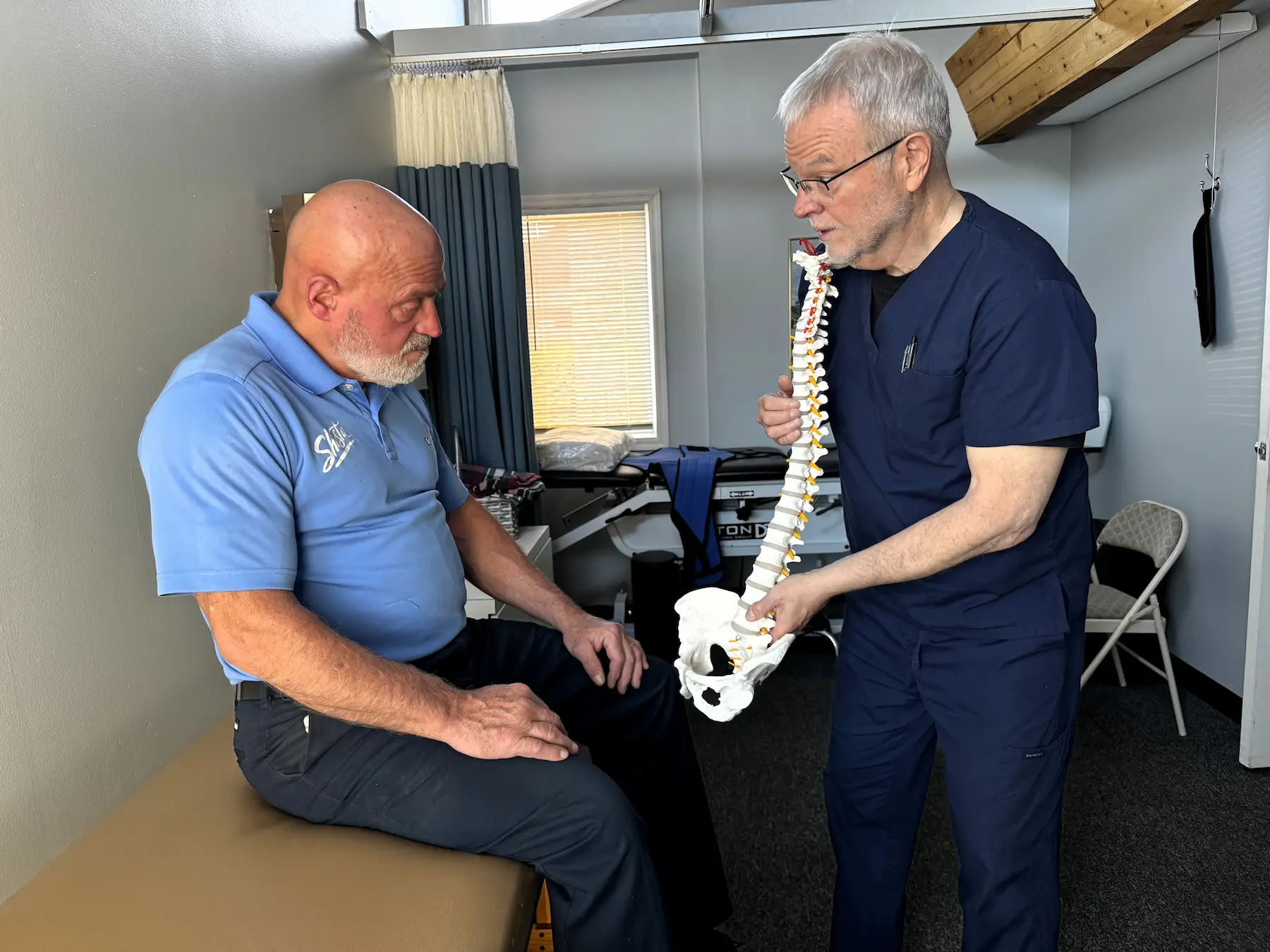
During that visit, Dr. Oyler reviews your history and the area in question to confirm whether SoftWave is appropriate for you. If it is not the right fit, he will say so and talk through other options.
Questions Worth Asking Before an Injection
If a cortisone injection has been recommended, a few questions can help you make an informed choice. How many injections have you already had in this joint, and is there a limit? Is the goal short-term relief or a longer-term fix? And is the underlying tissue problem being addressed in any other way?
There are no wrong answers here. The point is simply to understand what the injection can and cannot do, so the decision fits your goals rather than just the moment.
If you are weighing SoftWave therapy against another round of injections, we can help you understand your options. Contact Oyler Chiropractic in Reynoldsburg or call (614) 863-0111 to schedule a visit.