Table of Contents
SoftWave therapy may help with arthritis pain by targeting the inflamed, worn tissue around an affected joint instead of only masking the discomfort. It uses broadband acoustic waves to improve blood flow and recruit the body’s own stem cells to the area, which can ease pain and support the surrounding tissue. At Oyler Chiropractic in Reynoldsburg, OH, Dr. Oyler offers SoftWave therapy as a non-surgical, drug-free option for arthritis in joints like the knee, hip, and shoulder.
What Arthritis Does to a Joint
The most common form, osteoarthritis, is often called wear-and-tear arthritis. Over time the smooth cartilage that cushions the ends of your bones wears thin, so the joint loses some of its natural padding.
As that cushioning breaks down, the joint can become stiff, swollen, and painful, especially with movement. The body’s inflammatory response adds to the discomfort and can make the area feel worse.
Common Signs of Arthritis in a Joint
Arthritis tends to announce itself in a few recognizable ways. Spotting them can help you understand what is happening in the joint.
- Stiffness that is worst in the morning or after resting
- Swelling or a feeling of warmth around the joint
- A reduced range of motion that makes some movements harder
- A grinding or grating sensation when the joint moves
- Pain that worsens with activity and eases with rest
If several of these sound familiar, arthritis may be part of what is going on. An exam can confirm it and rule out other causes.
Why Arthritis Pain Is So Stubborn
Arthritis frustrates people because the usual options tend to manage symptoms without doing much for the joint. Pain medication and anti-inflammatories can dull the ache, but they wear off and leave the underlying problem in place.
Worn cartilage does not simply grow back, so the goal shifts toward calming inflammation and supporting the tissue that remains. That is where a treatment aimed at the tissue itself becomes worth considering.
How SoftWave Therapy Approaches It
SoftWave therapy works on the tissue around the joint rather than covering the pain. The broadband acoustic waves improve circulation and prompt the body to send repair cells to the area.
Better blood flow and an active repair response can reduce inflammation and ease the pain that comes with an arthritic joint. It is not a cure for arthritis, but for many people it helps the joint feel and function better.
Which Joints It Can Help
SoftWave can be applied to many of the joints arthritis tends to affect. Dr. Oyler commonly uses it for knee pain, along with the hip, shoulder, and the smaller joints of the hands.
Because the wave spreads across a broader area, it can treat the tissue surrounding a joint in a single pass. Multiple areas can often be addressed during the same visit.
What SoftWave Will and Will Not Do
Honest expectations matter with a condition like arthritis. SoftWave will not reverse the disease or regrow cartilage that is already gone, and no treatment can promise that.
What it can do is help manage the pain and support the tissue so daily activities feel more comfortable. For a lot of patients, better function and less reliance on medication is a meaningful win.
Pairing SoftWave With Chiropractic Care
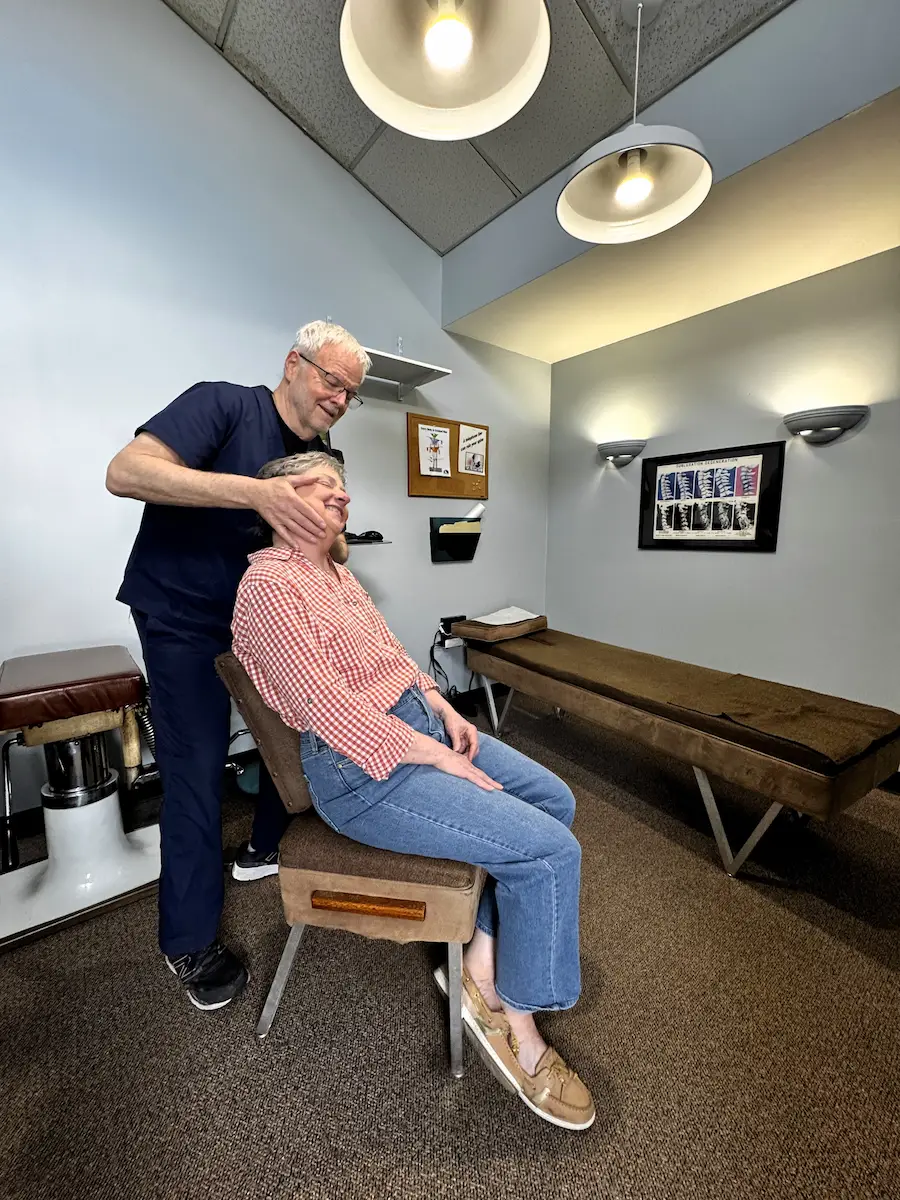
SoftWave often works best alongside hands-on care. When an arthritic joint is not moving well, the surrounding muscles and joints compensate, which adds to the strain.
Restoring better motion takes some of that load off, while SoftWave works on the tissue itself. Treating the mechanics and the tissue together tends to help the joint more than either approach alone.
Why a Drug-Free Option Appeals to Arthritis Patients
Many people living with arthritis would rather not depend on pain medication for years on end. Long-term use comes with its own downsides, and injections offer only temporary relief for most.
SoftWave gives another path that does not involve drugs, needles, or surgery. That appeals to patients who want to stay active without leaning on a prescription to get through the day.
How It Compares to a Cortisone Shot
Cortisone injections are a common approach to arthritis pain, so it helps to see the difference. A shot reduces inflammation quickly, but the relief tends to fade and the joint is unchanged underneath.
SoftWave takes a slower, tissue-focused route that aims to support the area over time. It is a different strategy than repeating injections whenever the pain flares back up.
Why Dr. Oyler Offers SoftWave
In more than 43 years of practice, Dr. Oyler has treated many patients across the Reynoldsburg area who came in after other approaches ran out of road. Plenty had tried medication, rest, and injections without lasting relief.
He offers SoftWave therapy because it addresses the tissue side of arthritis that those options often miss. He builds the plan around your specific joint and how far the arthritis has progressed.
What a Session Looks Like
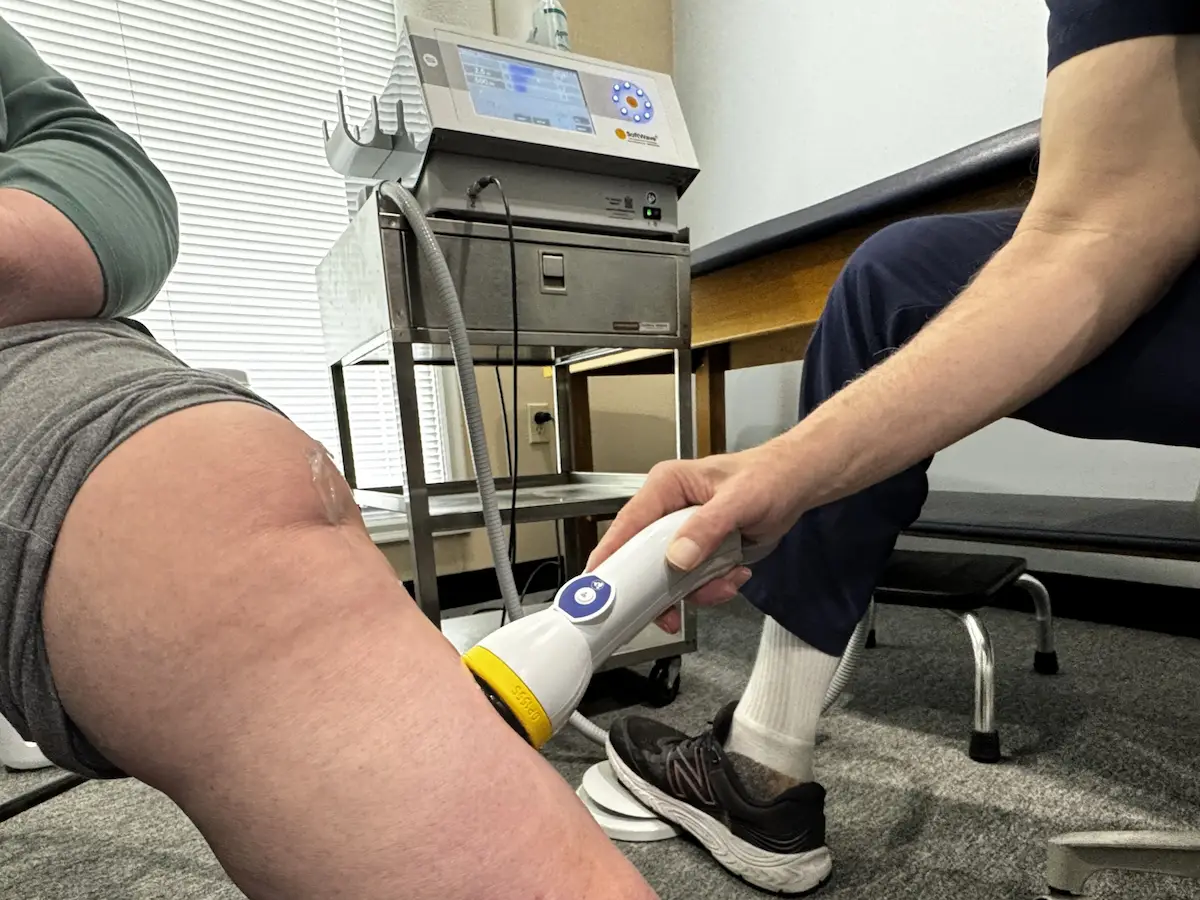
Treatment is simple and comfortable for most people. A handheld device is applied to the skin with a coupling gel, and you feel a mild tapping as the wave moves through the tissue.
There is no downtime afterward, so you can get back to your day. How many sessions you need depends on the joint and the severity, and Dr. Oyler will recommend the protocol that fits your case.
Why Staying Active Still Matters
It is tempting to rest an arthritic joint completely, but too little movement often makes stiffness worse. Gentle, regular motion helps keep the joint mobile and supports the tissue around it.
The key is finding activity that does not overload the joint, which looks different for everyone. Dr. Oyler can help you understand what makes sense for your situation as the treatment progresses.
When to Have Your Joint Pain Evaluated
Joint pain is worth looking into when it limits your daily activities or is slowly getting worse. Significant swelling, a joint that gives way, or pain that keeps you up at night also deserve attention.
An evaluation sorts out what is driving the pain and whether SoftWave is a good fit for you. If something falls outside his scope, Dr. Oyler will point you in the right direction.
Setting Realistic Expectations
Results build over a series of sessions rather than after a single visit. Arthritis is a long-term condition, so the aim is steady, manageable improvement rather than an overnight change.
After his evaluation, Dr. Oyler will give you a straight answer about how much SoftWave is likely to help in your situation. That honesty is part of how he treats every patient.
If arthritis pain is limiting what you can do in Reynoldsburg or a nearby community, we would be glad to talk through your options. Call Oyler Chiropractic at (614) 863-0111 or reach out here to schedule a visit.