Table of Contents
Shoulder pain is not always a rotator cuff tear. It can come from the joint mechanics, the surrounding tissue, the neck, or some combination of all three, and focusing only on the rotator cuff can miss what is really going on. At Oyler Chiropractic in Reynoldsburg, OH, Dr. Oyler looks at the whole picture and uses extremity adjusting along with SoftWave therapy to treat the actual source of the pain.
The Rotator Cuff Is Only Part of the Shoulder
The shoulder is one of the most mobile joints in the body, and that freedom of movement depends on a lot of moving parts working together. The rotator cuff is a group of muscles and tendons that helps hold the joint stable, so it gets most of the attention when something hurts.
The catch is that plenty of shoulder pain has nothing to do with a torn cuff. When the diagnosis stops at the rotator cuff, the treatment can end up aimed at the wrong target.
Other Things That Can Cause Shoulder Pain
Once you look past the rotator cuff, several other culprits show up regularly. Any of these can produce pain that feels a lot like a cuff problem.
- Joint restriction: The shoulder joint itself may not be moving the way it should, which strains everything around it.
- Impingement: Tissue gets pinched as you raise your arm, often because of how the joint is tracking.
- Tendon damage: Tendons around the shoulder can develop wear that has stalled in healing.
- Bursitis: The small fluid-filled sac that cushions the joint becomes inflamed.
- Referred pain from the neck: A problem in the cervical spine can send pain straight into the shoulder.
Conditions People Confuse With a Cuff Tear
Several shoulder problems can feel like a rotator cuff tear even when the cuff is intact. Knowing they exist can save you from chasing the wrong diagnosis.
Frozen shoulder, for example, causes pain and a steady loss of motion as the joint capsule tightens. A labral issue, arthritis in the joint, or simple joint restriction can all mimic cuff symptoms too.
Because the signs overlap, the only reliable way to sort it out is a proper evaluation of how the shoulder actually moves. Treating a frozen shoulder like a torn cuff, or the reverse, tends to leave you no better off.
Why a Misdiagnosis Keeps You Stuck
If the cause is pinned on the rotator cuff when the real issue is joint mechanics or the neck, treatment tends to spin its wheels. You might rest, do a round of exercises, or try an injection, and the pain keeps coming back.
That is the experience many patients describe when they reach our office. They are not failing at recovery. The plan was just built around the wrong source.
Why Joint Mechanics Matter So Much
For the shoulder to move freely and without pain, the joint has to glide correctly through its full range. When that motion is off, even slightly, the surrounding muscles and tendons pick up the slack and get overloaded.
Over time that overload becomes pain, irritation, and the kind of nagging issue that does not settle on its own. Restoring proper joint motion is often the missing piece that exercises alone cannot supply.
How Dr. Oyler Approaches Shoulder Pain
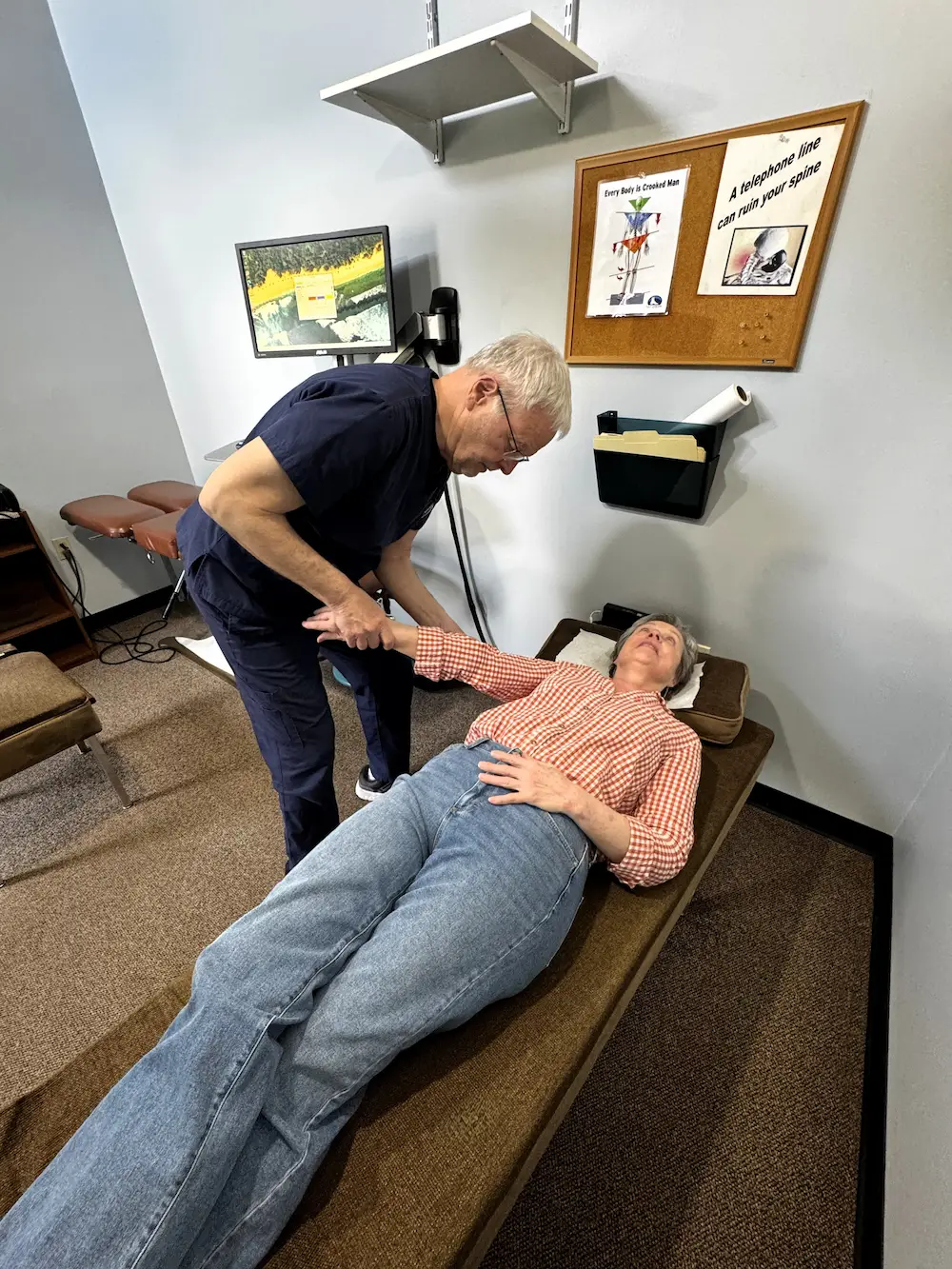
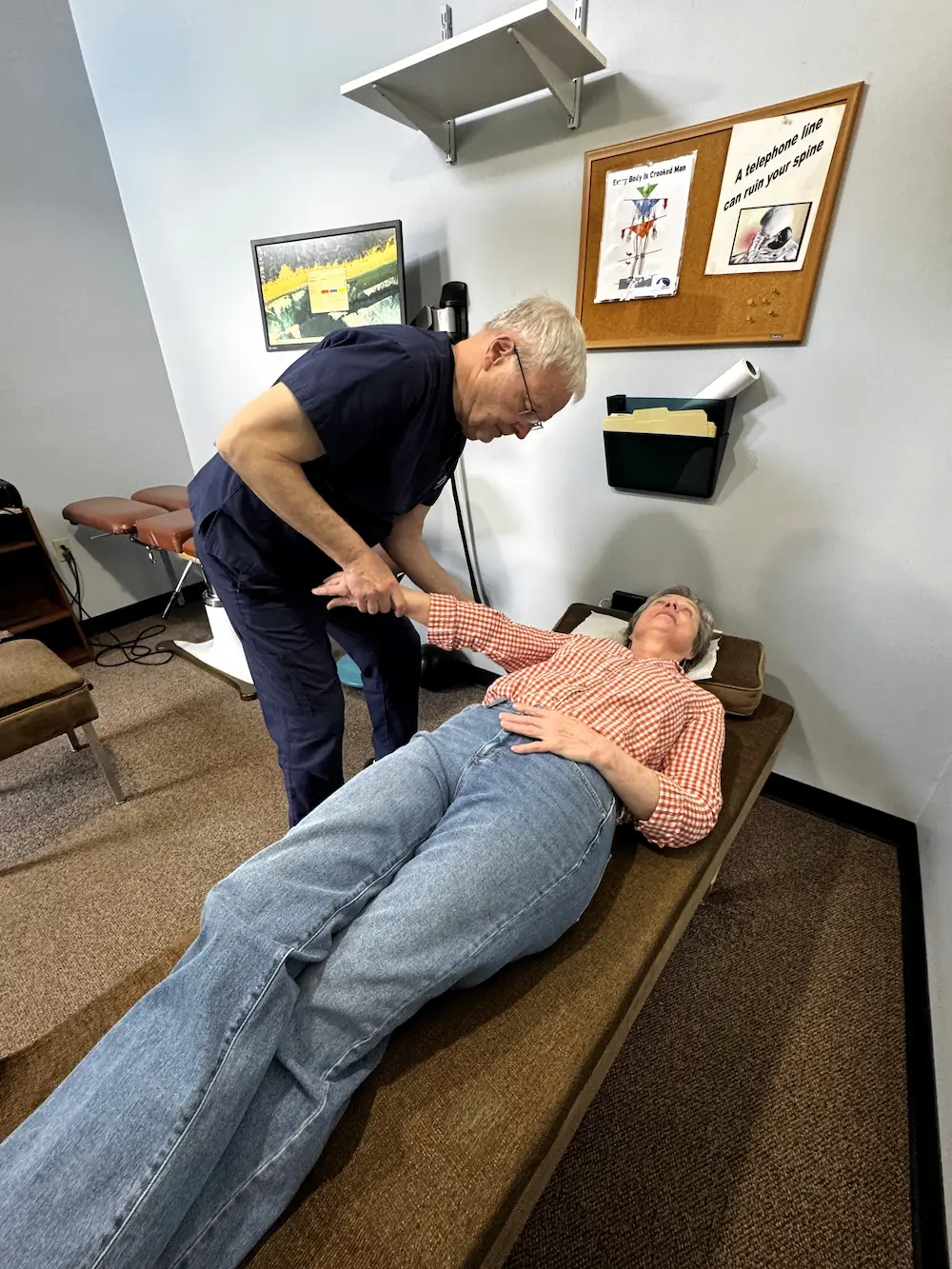
This is an area where Dr. Oyler’s training stands out. He studied extremity adjusting under Dr. Mark Charrette, an internationally recognized leader in adjusting joints beyond the spine.
That background lets him assess and adjust the shoulder joint itself, not just the spine, to restore the mechanics that may be driving the problem. A great many patients find relief with Dr. Oyler after not finding it elsewhere, and the extremity work is a big reason why.
When tissue damage is part of the picture, he adds SoftWave therapy to help the tendons and soft tissue repair. Treating the joint and the tissue together tends to give a more complete result than addressing either one by itself.
When the Neck Is the Real Culprit
Sometimes the shoulder is where you feel the pain, but the neck is where it begins. Nerves that travel from the cervical spine into the arm can refer pain down into the shoulder.
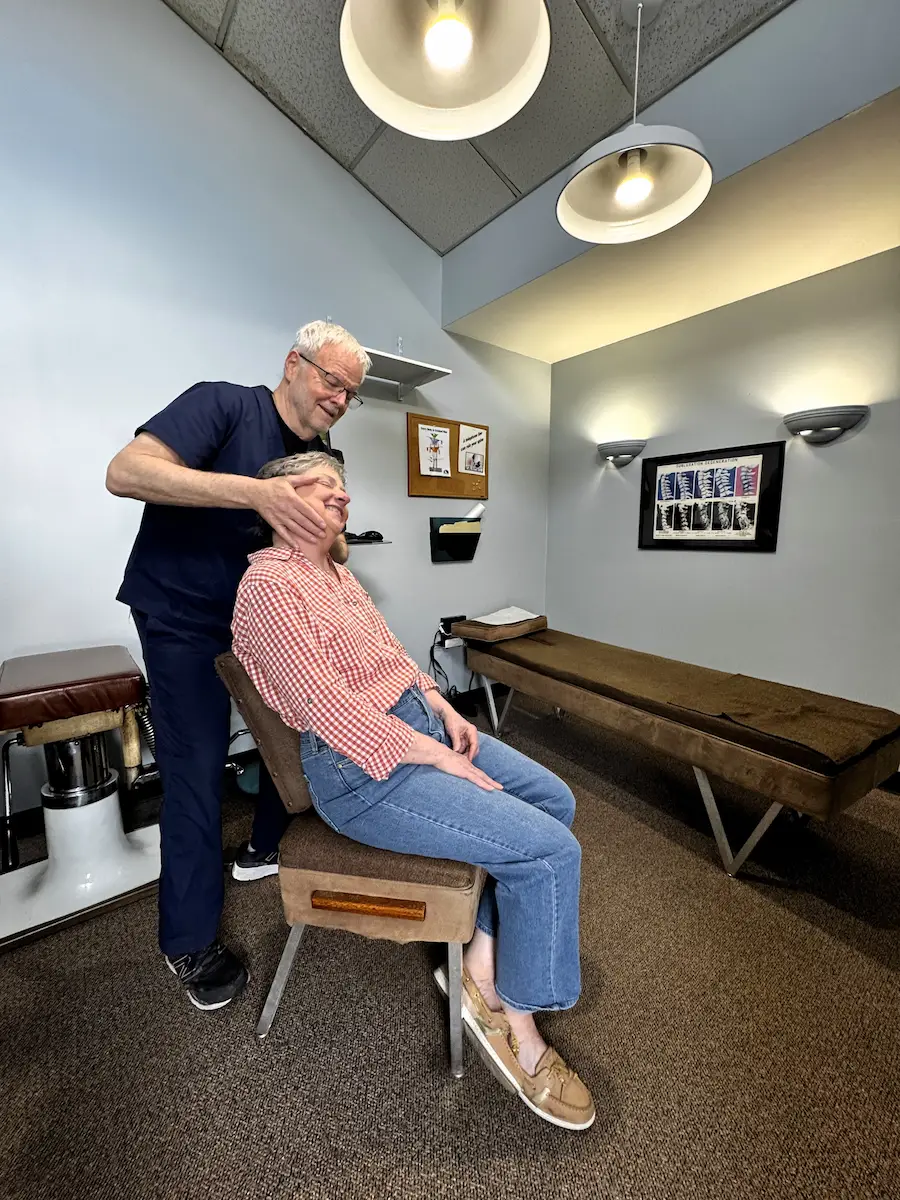
That is why Dr. Oyler checks the neck as part of a shoulder evaluation. Using the Gonstead adjusting technique, he can identify whether a cervical issue is contributing, then treat the actual source rather than chasing the symptom.
Everyday Habits That Aggravate the Shoulder
Daily routines can keep a shoulder irritated without you realizing it. A few common culprits show up again and again.
- Sleeping on the same painful shoulder night after night
- Repetitive overhead reaching at work or in the gym
- Carrying a heavy bag on one side all day
- Slouched desk posture that rounds the shoulders forward
- Pushing through pain during workouts instead of backing off
Easing up on these gives the joint a chance to settle while treatment does its work. They are small changes, but they remove some of the daily load that keeps the problem going.
Why Pushing Through Shoulder Pain Backfires
It is tempting to tough out shoulder pain and hope it fades, especially if you like to stay active. The problem is that the shoulder rarely fixes itself when the mechanics are off.
Working through the pain often makes the surrounding muscles compensate even more, which can turn a manageable issue into a stubborn one. Getting it looked at sooner usually means a simpler path back than waiting until the shoulder has been hurting for months.
How Long Does Treatment Usually Take?
There is no one-size answer, since it depends on the cause and how long the shoulder has been bothering you. A recent issue caught early often responds faster than one that has lingered.
Dr. Oyler maps out a plan based on what the exam reveals and adjusts it as the shoulder responds. He would rather give you an honest expectation than a number that sounds good but does not hold up.
What to Expect
The process starts with a real evaluation of how your shoulder and neck move, not a rushed glance. From there, Dr. Oyler builds a plan around what he finds, drawing on more than 43 years of treating shoulder pain in the Reynoldsburg area.
How long it takes depends on the cause and how long it has been going on. He will be straight with you about what to expect instead of making promises before he understands your situation.
If shoulder pain keeps holding you back in Reynoldsburg or a nearby community, we would be glad to help you get to the bottom of it. Call Oyler Chiropractic at (614) 863-0111 or reach out here to schedule a visit.