Table of Contents
A bulging disc and a herniated disc are related, but they are not the same thing. A bulging disc happens when a disc flattens and pushes outward past its normal border, while a herniated disc is when the tough outer layer cracks and the softer center pushes through. At Oyler Chiropractic in Reynoldsburg, OH, Dr. Oyler figures out which one you are dealing with and offers non-surgical options like spinal decompression and the Gonstead adjusting technique.
A Quick Look at What a Disc Is
Between each bone in your spine sits a disc that works like a cushion. Each one has a tough outer ring and a soft, gel-like center that absorbs shock as you move.
These discs let your spine bend and twist while protecting the bones and nerves. When a disc changes shape or gets damaged, it can press on nearby nerves and cause pain.
What a Bulging Disc Is
A bulging disc is a disc that has lost some height and pushed outward around its edge. Picture a tire that is a little underinflated and bulges out at the bottom under the weight of the car.
The outer layer is still intact, so nothing has leaked out. The disc has simply spread past where it normally sits, and that extra material can crowd the space around a nerve.
What a Herniated Disc Is
A herniated disc goes a step further. The tough outer layer cracks or tears, and some of the soft inner material pushes out through the opening.
You may hear it called a slipped or ruptured disc, though the disc does not actually slip anywhere. Because the inner material can press directly on a nerve, a herniation often causes more noticeable symptoms than a bulge.
The Key Differences at a Glance
Here is the short version for anyone trying to keep the two straight:
- Bulging disc: the disc pushes outward, but the outer layer stays intact.
- Herniated disc: the outer layer tears and inner material pushes through.
- Symptoms: a herniation more often presses on a nerve and causes sharper, radiating pain.
- Progression: a bulging disc can sometimes lead to a herniation over time.
Why the Two Get Confused
The confusion is understandable, since both involve a disc pushing where it should not. They also share many of the same symptoms and often show up on the same imaging reports.
The distinction matters because it helps explain how much pressure is on the nerve and what the disc is actually doing. Knowing which one you have helps guide the plan.
Do They Feel Different?
Symptoms overlap quite a bit, so you cannot always tell the two apart by feel alone. Both can cause back pain, stiffness, and pain that travels down an arm or leg when a nerve is involved.
A herniated disc tends to produce more intense nerve symptoms, such as sharp pain, numbness, or tingling into the limb. A bulge may feel more like a dull ache, at least until it worsens.
Where These Disc Problems Usually Happen
Both bulging and herniated discs show up most often in two areas of the spine. The lower back takes on a lot of load and movement, so it is the most common spot for disc trouble.
The neck is the next most common, since it is mobile and supports the weight of your head all day. A disc problem in either area can send pain into a nearby limb when a nerve is involved.
What Actually Causes Disc Problems
Discs change with everyday wear as much as anything else. Years of movement, gravity, and normal aging gradually dry them out and make them less flexible.
Injuries, heavy or repeated lifting, poor posture, and long hours of sitting all add to the strain. Sometimes a single moment sets things off, and sometimes the problem builds slowly until the pain finally shows up.
When a Disc Problem Needs Attention
Most disc issues are not emergencies, but a few signs call for prompt medical care. Loss of bowel or bladder control, progressive weakness in a leg, or numbness in the area you would sit on should be checked right away.
Short of those, back pain that lingers, keeps returning, or sends symptoms down a limb is worth having evaluated. The sooner the cause is clear, the sooner it can be addressed.
How Dr. Oyler Approaches Disc Problems
Whether the issue is a bulge or a herniation, the first step is understanding what is actually happening. In more than 43 years of practice, Dr. Oyler has examined a great many disc cases here in Reynoldsburg.
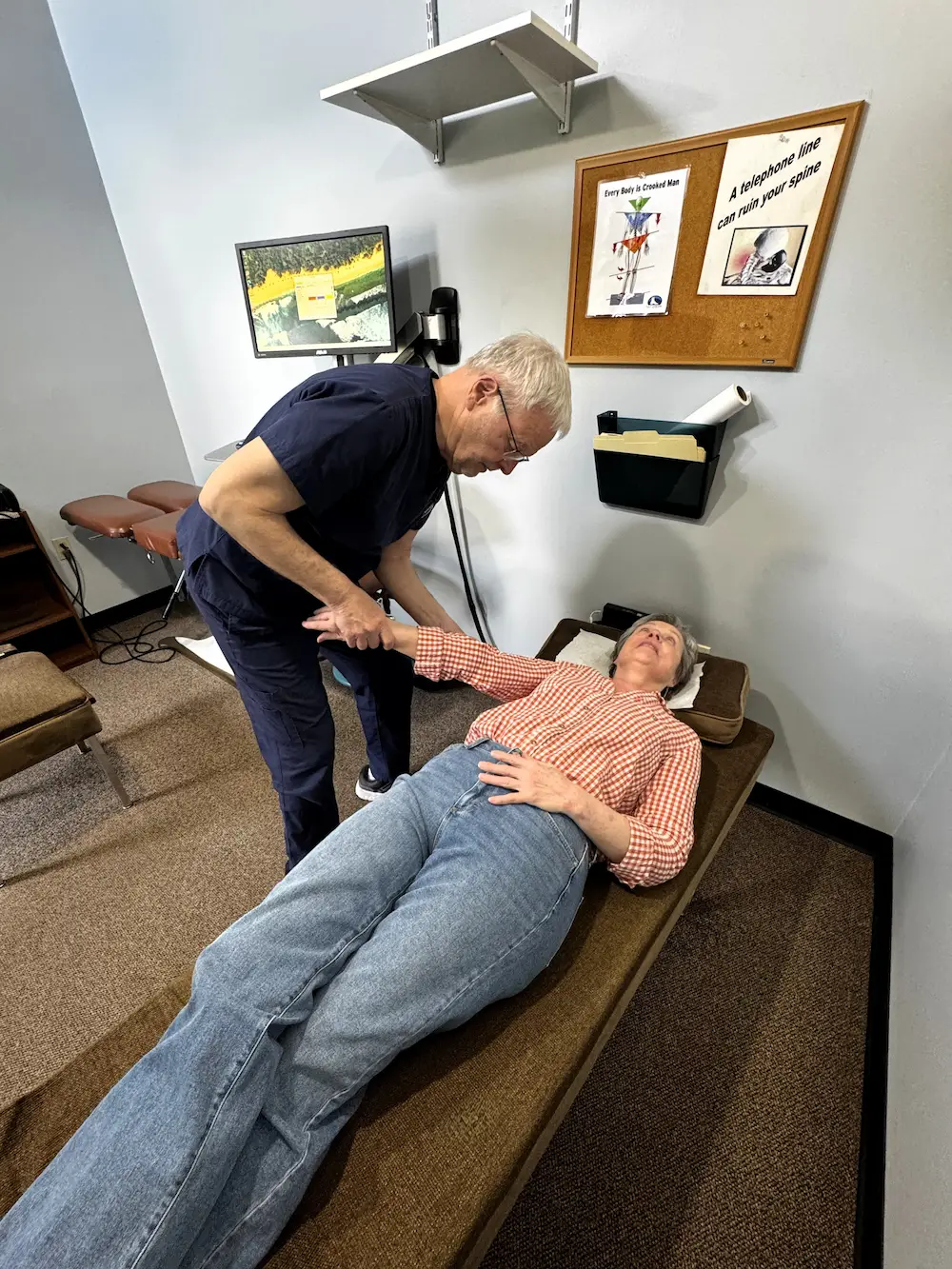
He uses a thorough exam to find where the pressure is and whether a nerve is involved, then builds a non-surgical plan around it. You can read more about disc conditions on our herniated and bulging disc page.
How Spinal Decompression Helps
Spinal decompression uses gentle, controlled traction to ease pressure inside the disc. That negative pressure can help draw bulging material back toward center and pull in the fluid and nutrients a disc needs to recover.
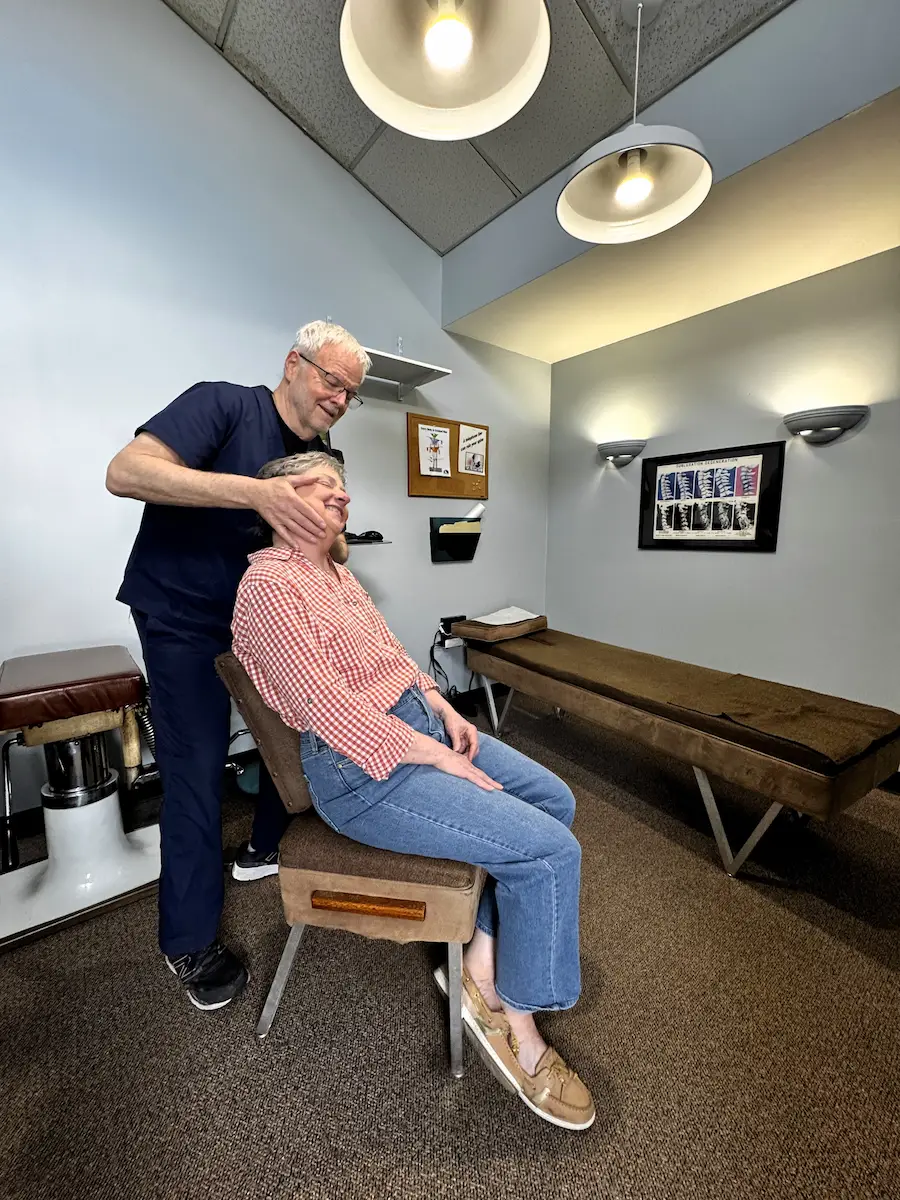
He often pairs it with the Gonstead adjusting technique, which restores proper motion to the specific joints involved. Treating the disc pressure and the mechanics together tends to give a more complete result than either one alone.
Can a Disc Problem Heal on Its Own?
Many disc problems do improve over time, especially with the right support. The body can gradually calm the inflammation and, in some cases, the disc material can retract enough to take pressure off the nerve.
That said, healing is not guaranteed and it rarely happens quickly on its own. Addressing the pressure and the mechanics can create a better environment for the disc to recover instead of leaving it to chance.
Is Surgery Ever Necessary?
Surgery has its place, and there are cases where it is the right choice. Severe or progressive nerve problems that do not improve with conservative care can call for it.
For many people, though, a non-surgical approach is a reasonable place to start. Part of a good evaluation is being honest about which path fits your situation rather than pushing one for its own sake.
How to Protect Your Discs Day to Day
A few habits take pressure off your discs while you work on the underlying problem. None of them replace proper care, but they help.
- Lift with your legs and keep the load close to your body
- Break up long stretches of sitting with short movement breaks
- Keep reasonable posture instead of slouching for hours
- Stay at a healthy weight to reduce load on the spine
Smoking also works against disc health, since it reduces the blood supply discs rely on to heal. Small changes like these give your spine a friendlier environment to recover in.
What to Expect
The process starts with a real evaluation of your spine and symptoms, not a rushed guess. From there, Dr. Oyler explains what he finds and lays out a plan built around your specific disc problem.
Disc issues usually take a series of visits rather than a single fix, and he will give you an honest timeline once he understands your case. The goal is steady progress you can actually feel.
If back pain or a disc problem has you searching for answers in Reynoldsburg or a nearby community, we would be glad to help. Call Oyler Chiropractic at (614) 863-0111 or reach out here to schedule a visit.