Table of Contents
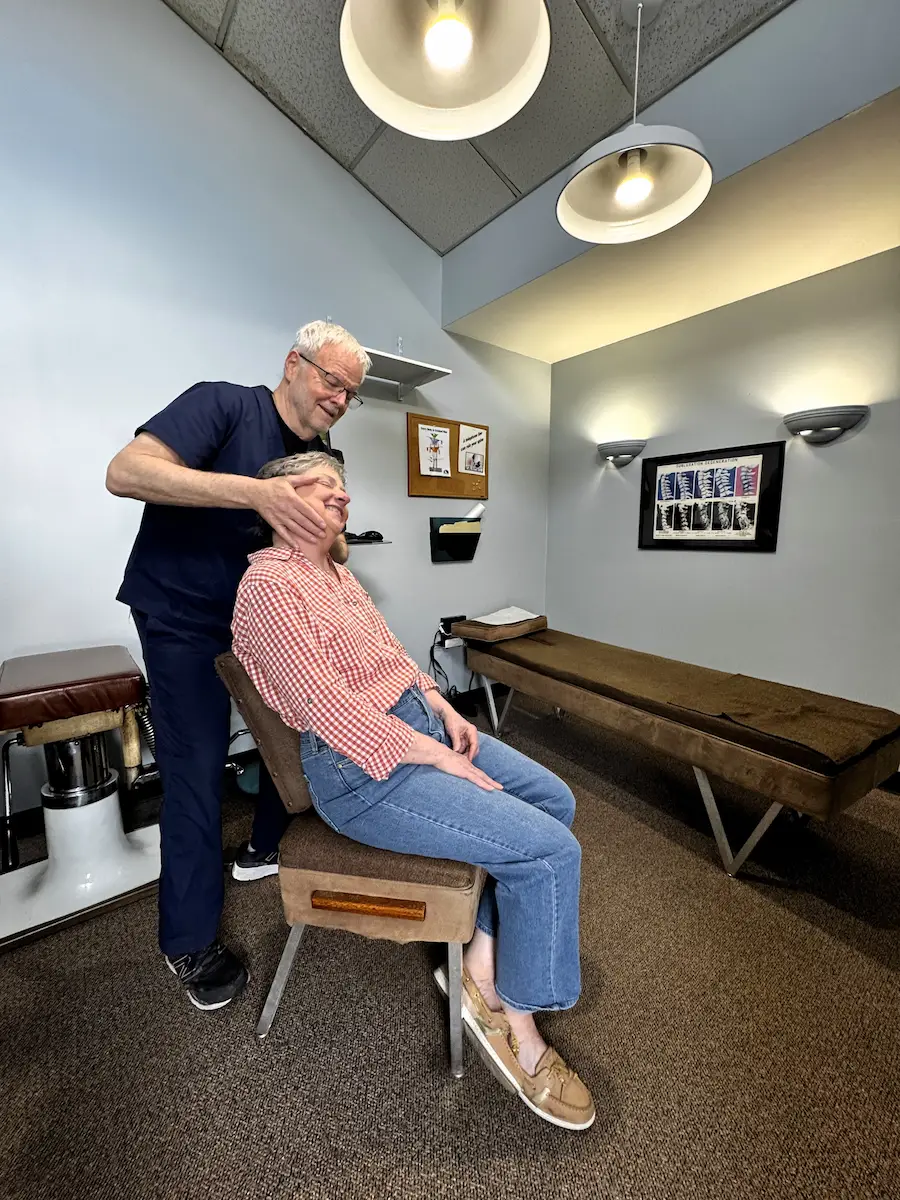
A Gonstead adjustment differs from a standard adjustment because it relies on a detailed analysis to find the exact spinal level causing the problem before any adjusting happens. Rather than moving several segments of the spine at once, the Gonstead adjusting technique targets one specific joint at the right angle and the right force. At Oyler Chiropractic in Reynoldsburg, OH, Dr. Oyler uses this precise method to address the real source of pain instead of the whole region around it.
What People Picture When They Think of an Adjustment
For a lot of people, a chiropractic adjustment means lying down, hearing a few pops, and getting sent on their way. That image is not wrong, but it leaves out the most important part of the process.
A quick adjustment that moves a broad section of the spine can bring temporary relief. The trouble is that it may not address the one joint actually driving the problem, which is why the pain often returns.
What the Gonstead Adjusting Technique Does Differently
The Gonstead technique is built around a simple idea. Find the exact joint that is not working correctly, then adjust only that joint with a specific contact.
This is the difference between a general approach and a specific one. Instead of adjusting several levels and hoping one of them was the issue, Dr. Oyler identifies the precise level first and leaves the healthy joints alone.
The Analysis That Comes Before the Adjustment
The real work in the Gonstead method happens before any adjusting. Dr. Oyler uses a multi-step analysis to pinpoint the problem, and each step adds a piece to the picture.
Visualization
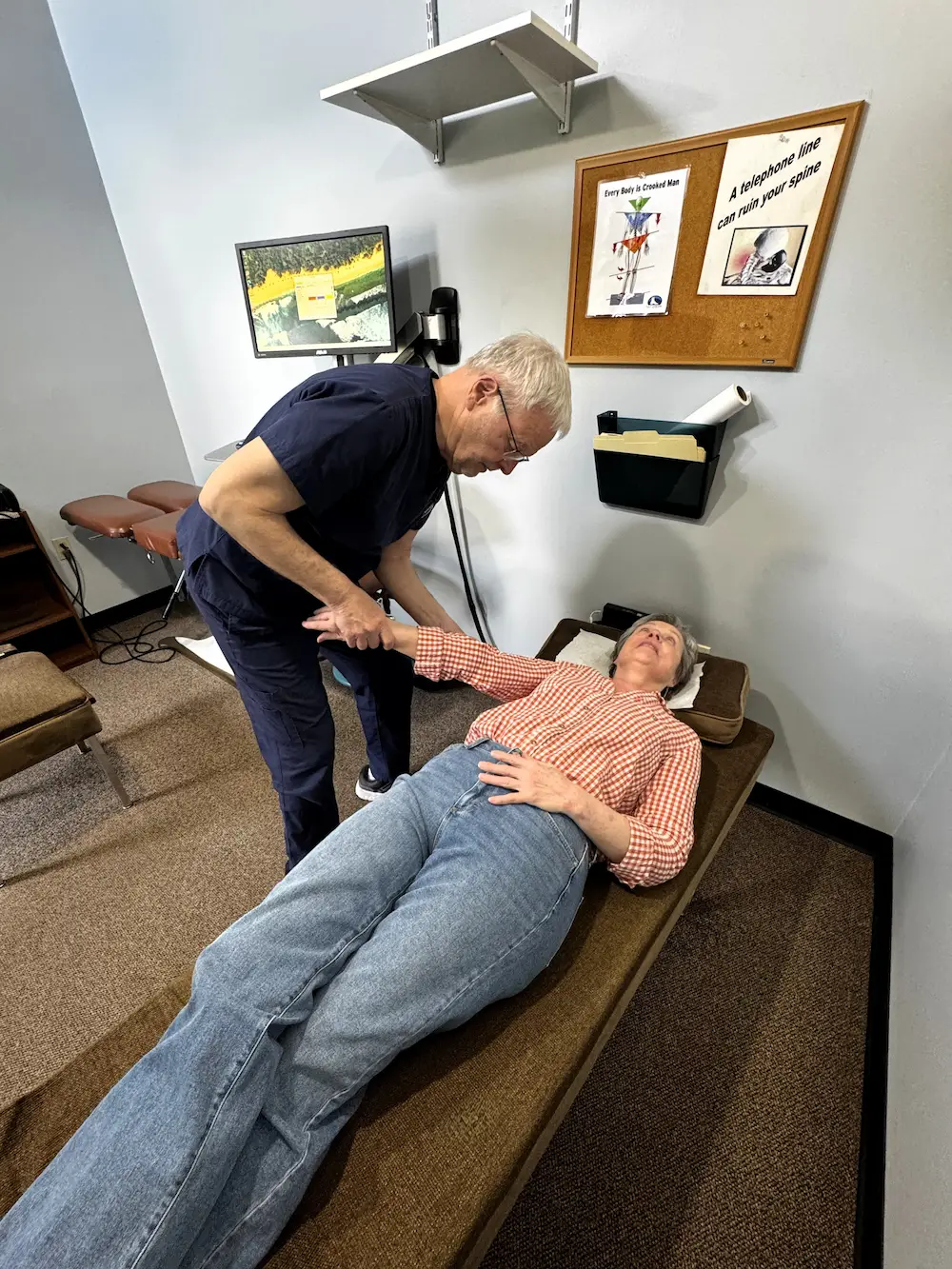
He starts by watching how you stand, move, and hold yourself. Posture and movement patterns often reveal where the body is compensating for a problem.
Static Palpation
Next he feels along the spine while you are still, checking for swelling, tenderness, and changes in tissue texture. These findings point toward areas that need a closer look.
Motion Palpation
He then assesses how each segment moves compared to the ones next to it. This step separates the joints that are truly restricted from the ones simply compensating, which is where a lot of general adjusting goes wrong.
Instrumentation
A handheld instrument reads temperature differences along the spine that can signal nerve irritation. Cross-referencing this with the hands-on findings helps confirm the exact level involved.
X-Ray Analysis, When Needed
When it is clinically useful, such as with persistent pain, recent trauma, or pain radiating into an arm or leg, X-rays add another layer of detail. They are used when they help the analysis, not as a routine step for everyone.
Why This Precision Matters
Adjusting the wrong joint, or too many joints, can stir up the area without fixing the real issue. Healthy segments do not need to be moved, and moving them adds nothing.
By narrowing the problem down to a single level, the Gonstead approach aims the correction exactly where it belongs. That focus is a big part of why patients who have bounced between treatments sometimes find relief here in Reynoldsburg after a more targeted look.
Specific Instead of General
Most adjusting styles work on broad regions of the spine. The Gonstead adjusting technique works on one joint at a time, with the contact, angle, and force chosen for that specific segment.
Think of it like the difference between adjusting every screw on a shelf versus tightening the one that is actually loose. The specific approach respects the parts that are already working.
Where Dr. Oyler Learned the Gonstead Technique
This is not a method Dr. Oyler picked up from a weekend seminar. He trained at Palmer College of Chiropractic, then completed an internship in the private clinic of Dr. Larry Troxell, who studied directly under Dr. Clarence Gonstead, the founder of the technique.
That is an unusually direct line back to the source, and very few practicing chiropractors have it. With more than 43 years in practice, Dr. Oyler has applied that training to a wide range of cases. You can read more about the method on our Gonstead adjusting technique page.
Conditions the Gonstead Approach Helps
Because it pinpoints the exact problem level, the Gonstead technique fits many common spinal complaints. Dr. Oyler regularly uses it for lower back pain, neck pain, and sciatica tied to joint or sacroiliac involvement.
It also helps with cervicogenic headaches that start in the neck and certain disc-related problems. The shared thread is that each of these benefits from treating the specific joint at fault rather than the whole area.
What a Visit Actually Looks Like
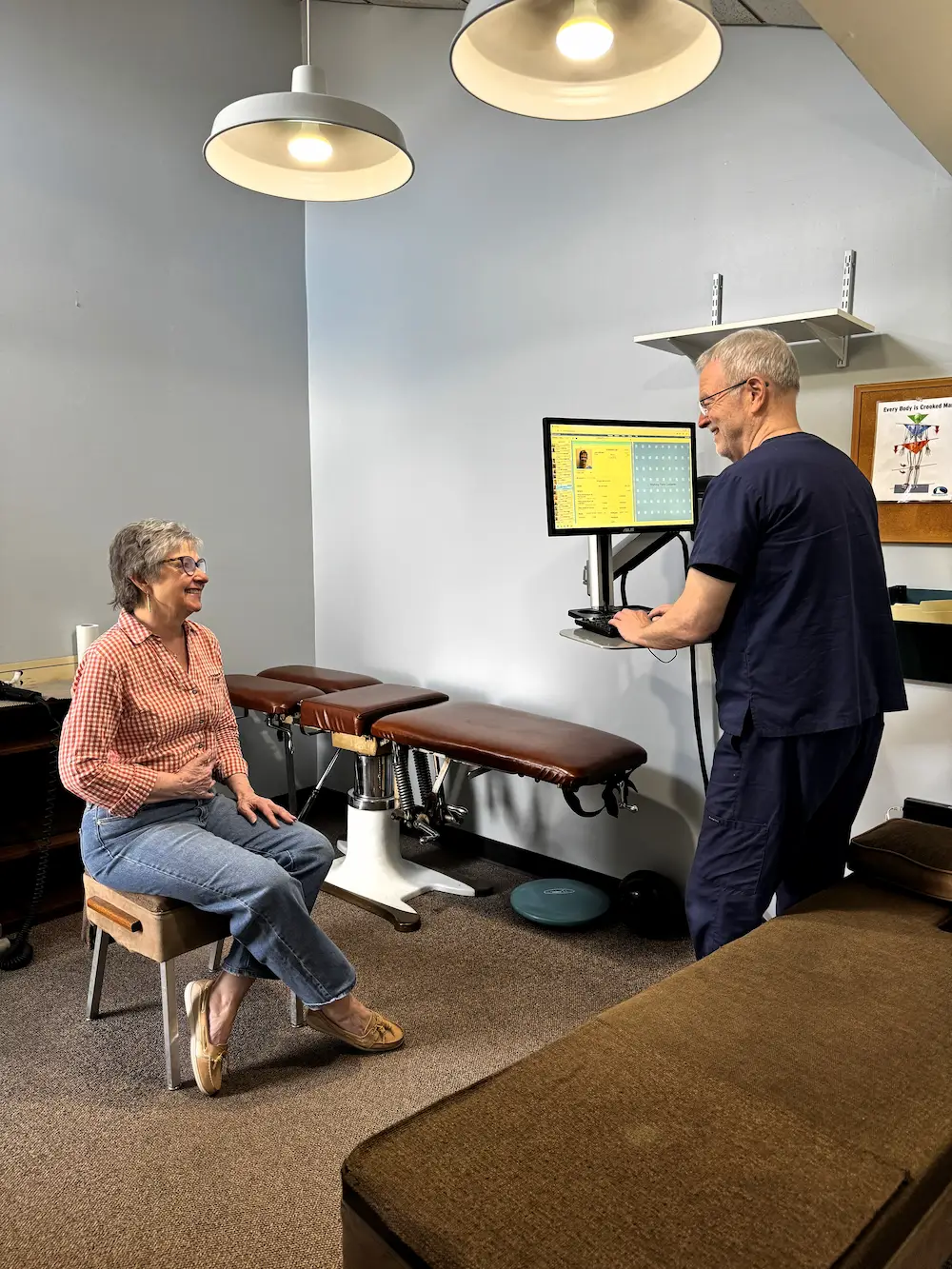
Dr. Oyler built his practice so that no one feels like a number. He takes the time to listen, explain what he finds, and walk you through the plan before any treatment begins.
In most cases, the first visit includes the consultation, the exam, and your first treatment, so you are not waiting on a second appointment to get started. Many patients tell us the part they appreciate most is finally being heard.
Why the Pops Are Not the Point
A lot of people judge an adjustment by how many times something pops. That sound is just gas releasing from a joint as it moves, and it is not a measure of whether the right joint was treated.
With the Gonstead approach, the goal is not to create as many pops as possible. It is to correct the specific joint the analysis identified, whether or not it makes much noise.
What Makes the Analysis Worth the Time
Taking the time to analyze before adjusting is the part patients notice most. It is the difference between a careful plan and a rushed routine that treats everyone the same way.
Dr. Oyler built his practice around that idea, because a problem you understand is a problem you can actually solve. Slowing down to find the real cause tends to save time in the long run.
Will the Adjustment Hurt?
Most people are surprised by how specific and controlled a Gonstead adjustment feels. Because the contact is precise, there is no need to twist or crank the whole spine to get a result.
You may hear a pop as a joint releases, which is normal and not a cause for concern. If anything ever feels uncomfortable, Dr. Oyler wants to know, since the goal is steady progress, not pushing through pain.
Is the Gonstead Technique Right for You?
The technique suits most people looking for a careful, specific approach to spinal pain. Some mild soreness after an adjustment can be normal as the body adapts, which is nothing unusual.
How quickly you respond depends on the problem and how long it has been there. After his analysis, Dr. Oyler will give you an honest read on what to expect rather than a one-size promise.
If you want a more precise look at what is driving your pain in Reynoldsburg or a nearby community, we would be glad to help. Call Oyler Chiropractic at (614) 863-0111 or reach out here to schedule a visit.