Table of Contents
For many people with disc-related back or neck pain, spinal decompression can be a non-surgical option worth exploring before turning to surgery. It uses gentle, controlled traction to reduce pressure on the discs and nerves, which may relieve pain and create a better environment for healing. It is not a substitute for surgery in every case, but at Oyler Chiropractic in Reynoldsburg, OH, Dr. Oyler often uses it to help patients avoid more invasive steps when it suits their condition.
What Spinal Decompression Does
Spinal decompression is a non-surgical treatment that gently stretches the spine using a specialized table. The goal is to take pressure off compressed discs and the nerves around them.
Many sources of back and neck pain come down to a disc pressing where it should not, often onto a nearby nerve. Easing that pressure is what gives the area a chance to calm down and recover.
The Disc Problems It May Help
Decompression is aimed at pain that traces back to the discs. That includes herniated and bulging discs, where disc material pushes outward and irritates a nerve.
It can also help with sciatica caused by a disc, degenerative disc disease, and chronic back or neck pain tied to disc pressure. Spinal stenosis, a narrowing of the space around the nerves, is another situation where reducing pressure may bring relief.
How It Works to Take Pressure Off
During treatment, the table applies a slow, controlled pull to the spine. That gentle traction creates negative pressure inside the disc, almost like a vacuum effect.
This change can help draw bulging disc material slightly back toward where it belongs and pull in the water, oxygen, and nutrients that discs need to heal. Discs have a limited blood supply of their own, so giving them this kind of help can matter when they are struggling to recover.
Signs Your Pain Might Be Disc-Related
Not all back pain comes from a disc, so it helps to recognize the patterns that point that way. Disc problems often produce more than just a sore lower back.
- Pain that travels into the buttock, leg, or foot instead of staying in one spot
- Numbness, tingling, or weakness in the leg or arm
- Pain that worsens when you sit, bend forward, cough, or sneeze
- A deep ache that does not ease with simple rest
If several of these sound familiar, the disc may well be involved, and decompression becomes one of the options worth discussing. A hands-on exam is the only way to confirm what is really happening, which is why Dr. Oyler starts there.
Why People Want an Alternative to Surgery
Back surgery helps a lot of people, and there are cases where it is clearly the right call. Still, it is a big step, and most people would rather not take it if they have another reasonable path.
Surgery comes with recovery time, real costs, and the simple fact that it cannot be undone. That is why so many patients in Reynoldsburg and nearby communities want to know whether a non-surgical option might work first.
How Dr. Oyler Decides If It Is a Fit
Decompression is not right for everyone, and being honest about that matters. In more than 43 years of practice, Dr. Oyler has learned to look closely before recommending any plan.
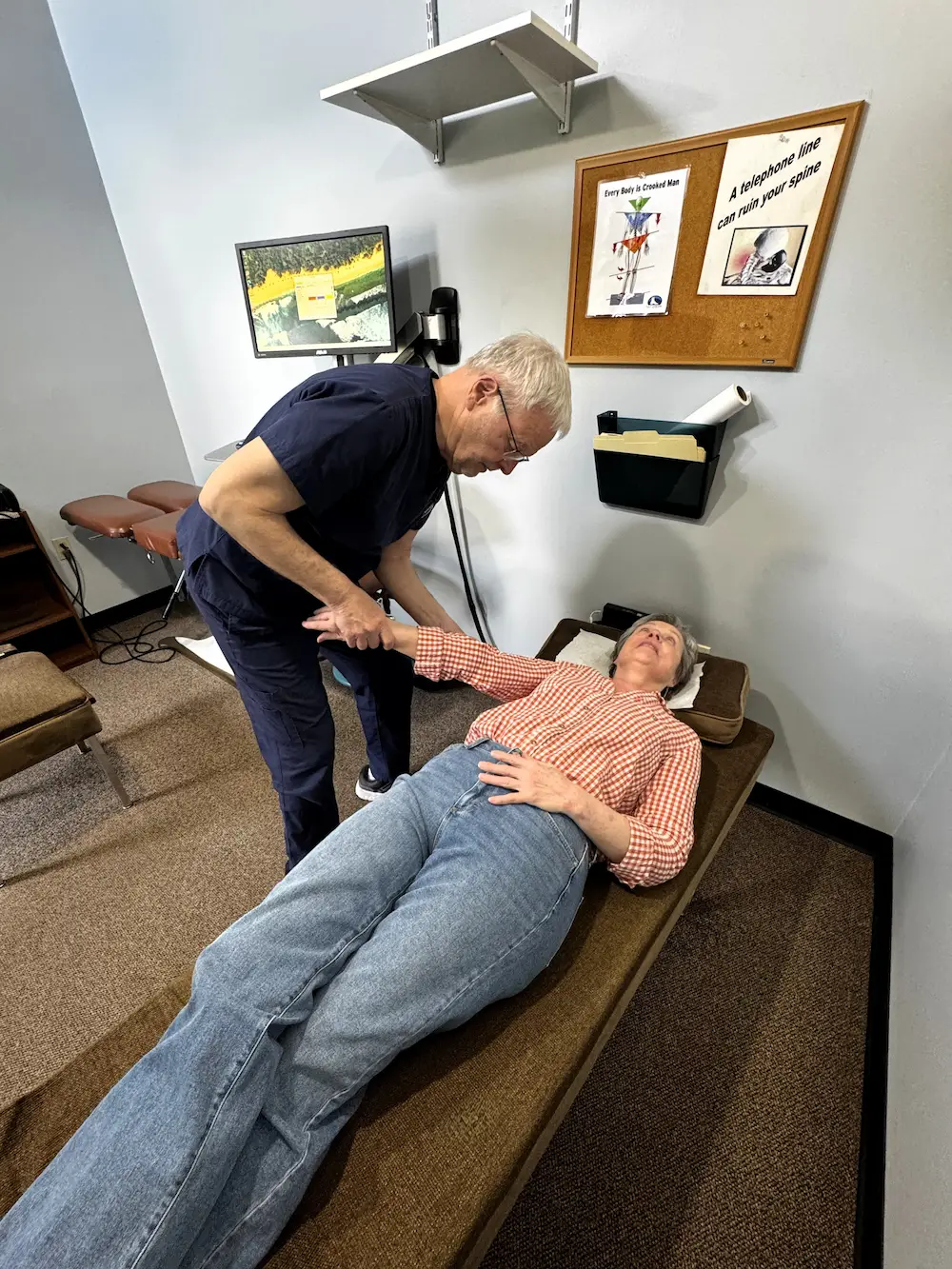
He starts with a thorough exam to understand where the pain is coming from and whether the disc is the true source. If your situation calls for surgery or another type of care, he will tell you. When decompression is a sensible option, he uses it as part of a plan built around your specific condition. You can learn more on our spinal decompression page.
Surgery Is the Right Call in Some Cases
It would be misleading to suggest decompression replaces surgery across the board. Some situations genuinely call for a surgical fix, and pretending otherwise does no one any favors.
Severe nerve compression, loss of bowel or bladder control, progressive weakness, or a disc problem that has not improved with conservative care can all point toward surgery. Part of a responsible evaluation is recognizing those signs and being upfront about them. The goal is the right treatment for your situation, not avoiding surgery for its own sake.
Combining Decompression With Chiropractic Care
Decompression often works best as one piece of a larger approach. Reducing disc pressure addresses one part of the problem, while restoring proper joint motion addresses another.
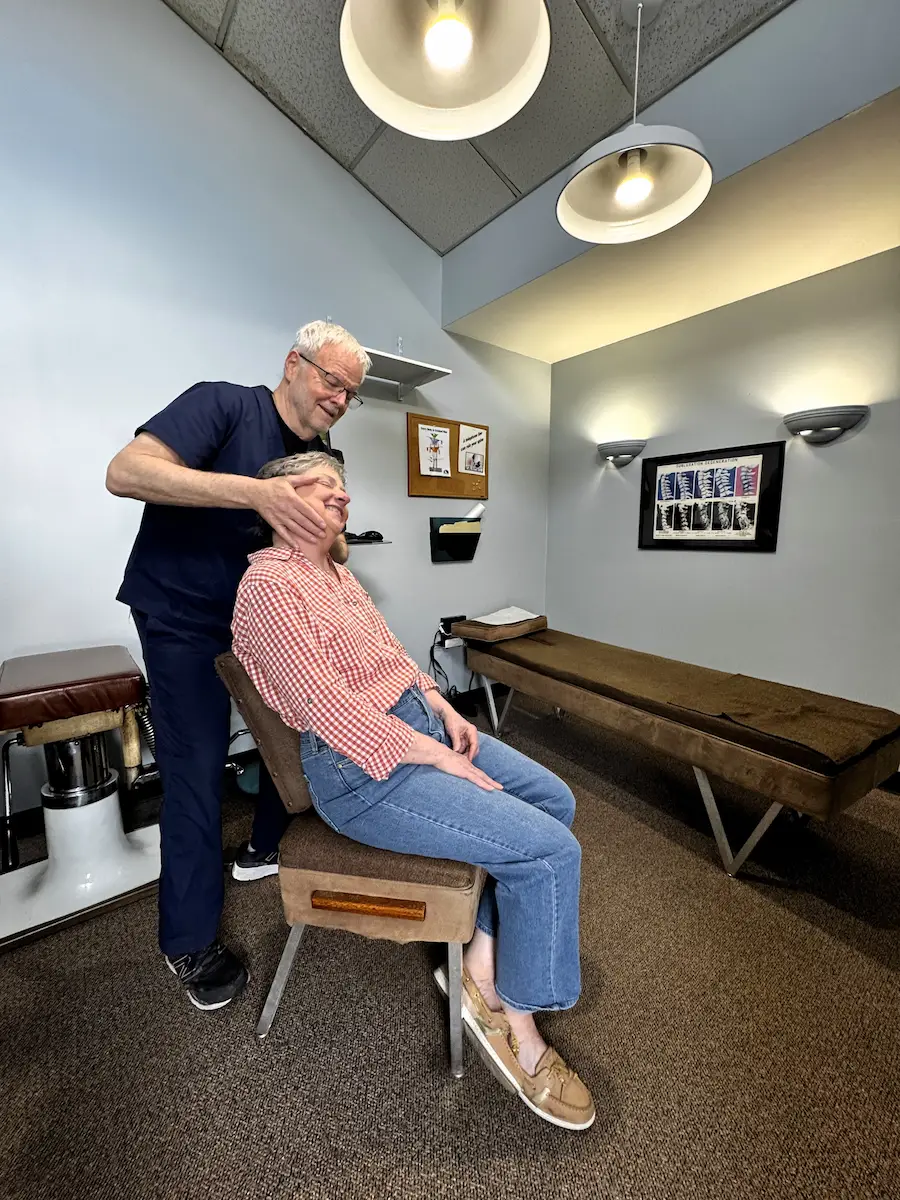
Dr. Oyler uses the Gonstead adjusting technique to pinpoint the exact spinal levels that need attention. Pairing precise adjustments with decompression means the discs and the surrounding mechanics both get addressed, rather than treating one and ignoring the other.
What to Expect From Treatment
A decompression session is comfortable for most people. You stay clothed and lie on the table while it does the work, and many patients find the gentle stretch relaxing.
There is no downtime afterward, and most go straight back to their day. Disc problems usually need a series of sessions rather than a single visit, and Dr. Oyler will outline how many he expects based on what he finds during your exam.
How Decompression Differs From an Inversion Table
People sometimes assume spinal decompression is the same as hanging upside down on an inversion table. The two are not the same thing.
An inversion table uses your body weight and gravity to create a general stretch, with little control over where the force actually goes. Spinal decompression uses a computer-guided table that applies a precise, measured pull aimed at the specific level that needs it. That control is what allows the gentle, targeted traction that makes the treatment both effective and comfortable.
What You Can Do to Protect Your Discs
Treatment works better when your daily habits support it, and a few simple changes take pressure off the discs between visits.
Lifting with your legs instead of your back, breaking up long stretches of sitting, and keeping a reasonable activity level all help. Smoking and excess weight both make disc problems harder to recover from, so improving those gives your spine a better foundation. None of this replaces care, but it does give the discs a friendlier environment in which to heal.
Is It Worth Looking Into?
If you are facing disc pain and want to understand your options before committing to surgery, a non-surgical evaluation is a reasonable starting point. You may find that decompression fits your case, or you may learn that another path makes more sense.
Either way, you walk away with a clearer picture of what is happening in your spine and why. That alone can take a lot of stress out of the decision.
If disc pain has you weighing surgery in Reynoldsburg or the surrounding area, we are happy to help you understand your options. Call Oyler Chiropractic at (614) 863-0111 or reach out here to schedule a visit.